




What's Happening?
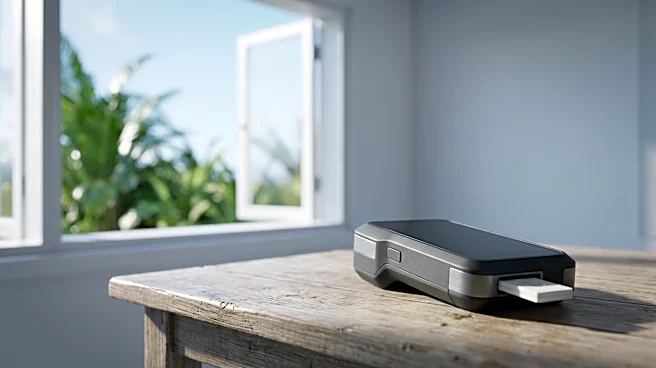
A team at the University of Florida, led by virologist John Lednicky, Ph.D., and engineer Z. Hugh Fan, Ph.D., has created an inexpensive, handheld device capable of quickly detecting seven different mosquito-borne viruses. This innovative device utilizes
RT-LAMP technology, which allows for diagnostic results within 30 minutes to an hour, eliminating the need for specialized laboratory equipment typically required for traditional PCR testing. The device has been validated with human samples, demonstrating performance comparable to RT-PCR tests. Its primary function is to help clinicians differentiate between viruses that present with similar symptoms, such as Zika, chikungunya, Mayaro, and the four types of dengue. This development aims to make rapid diagnostic testing more accessible in various settings, particularly those where advanced laboratory infrastructure is unavailable.
Why It's Important?
This development is significant for public health, especially in regions prone to mosquito-borne disease outbreaks. The ability to rapidly and affordably detect multiple viruses with similar symptoms can drastically improve diagnostic accuracy and speed. This is crucial for timely treatment and effective public health responses, as misdiagnosis or delayed diagnosis can lead to severe complications and wider disease spread. The device's low cost and portability mean it can be deployed in clinics, remote areas, or during emergency situations, bridging gaps in healthcare access. By enabling quick differentiation between diseases like dengue, Zika, and chikungunya, healthcare providers can initiate appropriate interventions sooner, potentially reducing morbidity and mortality rates and alleviating the burden on healthcare systems.
What's Next?
The immediate next steps for this technology will likely involve broader field testing and regulatory approvals to facilitate its widespread adoption. Further research may focus on expanding the panel of detectable viruses or enhancing the device's capabilities. The University of Florida team may also explore partnerships with public health organizations or manufacturers to scale up production and distribution, particularly to areas with high incidence of mosquito-borne diseases. Training programs for healthcare workers on the use of this new device would also be essential to ensure its effective implementation. The success of this device could pave the way for similar low-cost, rapid diagnostic tools for other infectious diseases, transforming diagnostic capabilities in resource-limited settings.
Beyond the Headlines
The broader implications of this device extend beyond immediate disease detection. It represents a shift towards decentralized and democratized diagnostics, empowering healthcare providers in underserved communities. Ethically, it raises questions about data privacy and the responsible use of diagnostic information, especially if the device becomes widely integrated into public health surveillance systems. Culturally, increased access to rapid testing could foster greater community engagement in disease prevention and control efforts, as individuals receive quicker feedback on their health status. In the long term, this technology could contribute to a more resilient global health infrastructure, better equipped to handle emerging infectious disease threats and reduce health disparities by making advanced diagnostics universally accessible.