





What's Happening?
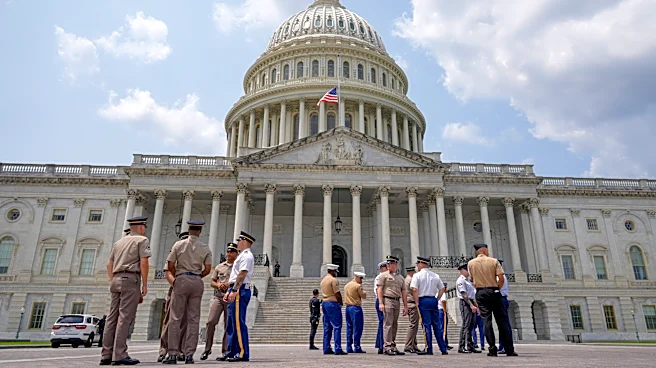
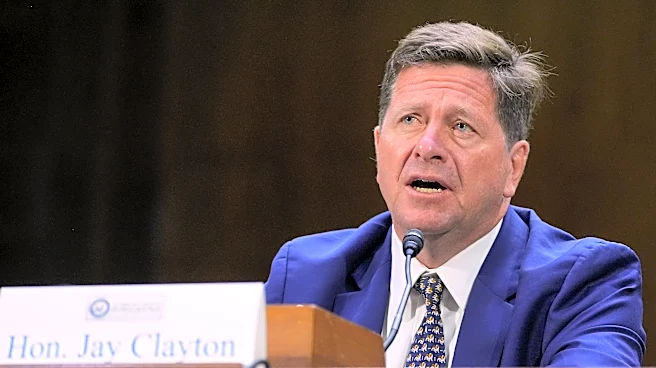
As the midterm elections approach, the U.S. Senate is grappling with a packed legislative agenda. Key items include a vote on President Trump's nominee for Director of National Intelligence, Jay Clayton, who is expected to be confirmed. The Senate is also
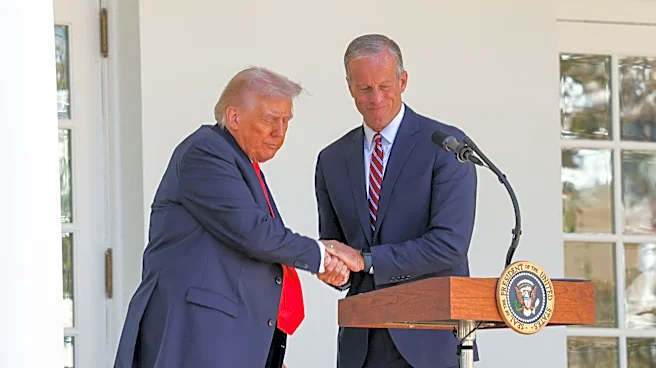
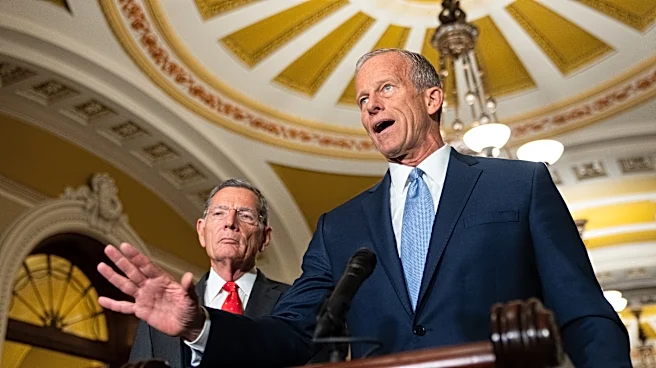
dealing with internal tensions, as President Trump publicly criticizes Senate Republican leader John Thune, who has pushed back against the President's demands. The legislative agenda includes funding the government, reauthorizing surveillance powers, and passing defense and farm bills. The absence of Senator Mitch McConnell due to health issues adds to the complexity of the situation.
Why It's Important?
The Senate's ability to navigate this complex agenda will have significant implications for U.S. governance and policy-making. The outcome of these legislative efforts could impact national security, economic stability, and public trust in government institutions. The internal dynamics within the Republican Party, particularly the tension between President Trump and Senate leaders, could influence the party's strategy and effectiveness in passing key legislation. The handling of these issues will also set the stage for the upcoming midterm elections, potentially affecting voter sentiment and party control in Congress.
What's Next?
The Senate will continue to work through its agenda, with a focus on confirming Jay Clayton and addressing other legislative priorities. The political landscape may shift as party leaders negotiate and strategize to achieve their goals. The health of Senator McConnell and his potential return to the Senate will be closely monitored, as his presence is crucial for advancing certain legislative items. The ongoing tension between President Trump and Senate Republicans may lead to further public statements and strategic adjustments as both sides seek to assert their influence.