






What's Happening?
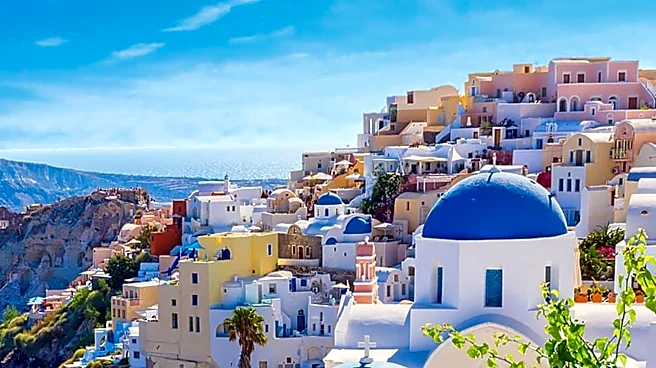
Santorini, a Greek island town and municipality in the South Aegean, is a popular tourist destination known for its caldera views, sunsets, and historic sites. The island offers walkable historic squares, regional markets, and convenient transportation
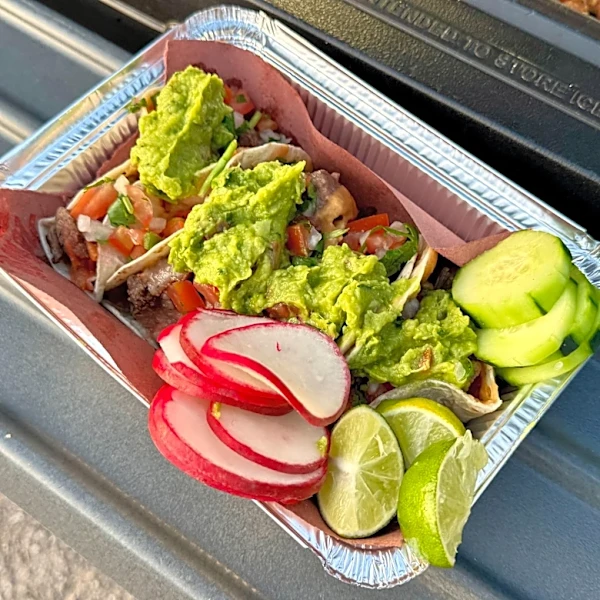
links via Santorini Airport and Athinios Ferry Port. Key attractions include the Fira to Oia Caldera Cliff Hike, the Oia Blue-Domed Churches, and the Akrotiri Minoan Bronze Age City. Visitors can enjoy local Greek dining, with signature dishes such as Santorini PDO Fava (yellow split-pea purée) and Tomatokeftedes (cherry tomato fritters). The island also features unique local produce like white eggplant and Chloro goat cheese, complemented by volcanic wines such as Santorini PDO Assyrtiko and Vinsanto dessert wine. Santorini is part of the Cyclades and is a frequent stop for cruises. Most international visitors, including those from the US, UK, Canada, and Australia, can enter Greece for up to 90 days without a visa under the Schengen Agreement.
Why It's Important?
Santorini's appeal as a premier tourist destination highlights the significant economic impact of tourism on regional economies. Its well-developed infrastructure, including accessible airports and ferry ports, facilitates international travel, contributing to the local economy through visitor spending on accommodation, dining, and activities. The emphasis on local cuisine and regional products, such as PDO Fava and volcanic wines, supports local agriculture and culinary traditions, providing economic benefits to local producers and businesses. The island's popularity also showcases the broader trend of experiential travel, where tourists seek unique cultural and natural experiences. For the U.S. travel industry, Santorini represents a popular international destination that attracts American tourists, influencing travel trends and potentially impacting demand for related services like international flights and tour packages. The ease of visa-free travel for U.S. citizens further encourages this flow of tourism.
What's Next?
Santorini is expected to continue attracting a high volume of international tourists, particularly during peak seasons. The island's tourism sector will likely focus on maintaining its appeal through sustainable practices and enhancing visitor experiences, potentially by further developing eco-tourism initiatives or promoting lesser-known attractions to manage crowds. Local businesses will continue to innovate in the culinary and hospitality sectors, leveraging the island's unique gastronomic offerings to draw food enthusiasts. The ongoing accessibility through air and sea travel will remain crucial for its tourism success, with potential for increased flight routes or ferry services to accommodate growing demand. As a popular cruise destination, Santorini will also continue to be a key port of call, influencing cruise line itineraries in the Mediterranean. Efforts to preserve the island's natural beauty and historical sites will be ongoing to ensure its long-term viability as a top global destination.
Beyond the Headlines
Beyond its immediate economic benefits, Santorini's sustained popularity reflects broader cultural and aesthetic trends in global tourism. The island's iconic white-washed buildings and blue-domed churches, set against volcanic landscapes, have become a powerful symbol of Mediterranean beauty, influencing architectural and design aesthetics worldwide. The emphasis on local, traditional cuisine also speaks to a growing global appreciation for authentic culinary experiences and the preservation of regional food heritage. Furthermore, Santorini's status as a major cruise destination highlights the complex environmental and social challenges associated with mass tourism, including issues of overcrowding, waste management, and the impact on local resources. The island's efforts to balance tourism growth with sustainability will be a critical case study for other popular destinations facing similar pressures, underscoring the need for responsible tourism policies and community engagement to protect cultural and natural assets.