
What's Happening?
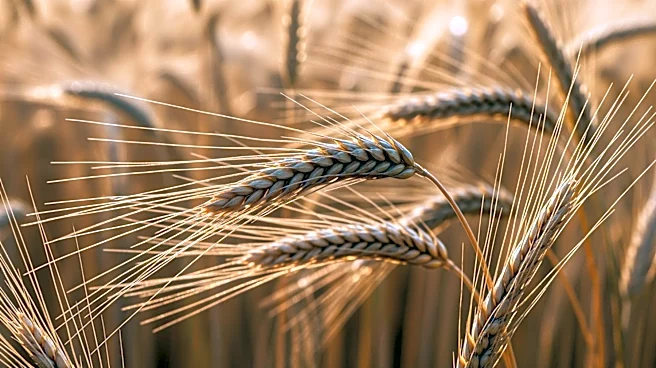
Researchers at Breadlab, part of Washington State University, are working on developing new strains of wheat that are more nutritious, flavorful, and resilient to climate change. Over the past century,
the cultivation and processing of wheat have resulted in grains that lack nutritional value and flavor, and are increasingly vulnerable to environmental changes. The Breadlab team is focused on breeding whole grain varieties that benefit farmers and consumers alike, aiming to improve taste and nutritional content. This initiative is part of a broader effort to address the challenges posed by modern agricultural practices and climate change.
Why It's Important?
The work being done at Breadlab is significant as it addresses several critical issues in agriculture and food production. By developing wheat varieties that are more nutritious and flavorful, the researchers are responding to consumer demands for healthier food options. Additionally, creating strains that are more resilient to climate change is crucial for ensuring food security in the face of environmental challenges. This research could lead to more sustainable farming practices, benefiting both the agricultural industry and consumers. The potential for improved crop yields and reduced vulnerability to climate-related disruptions could have a positive impact on the economy and public health.
What's Next?
The next steps for Breadlab involve further testing and refinement of these new wheat varieties to ensure they meet the desired nutritional and flavor profiles. Collaboration with farmers will be essential to implement these strains in real-world agricultural settings. As these new varieties are adopted, there may be broader implications for the food industry, including changes in supply chains and consumer products. Continued research and development will be necessary to adapt to ongoing climate challenges and to meet the evolving needs of the market.