




What's Happening?
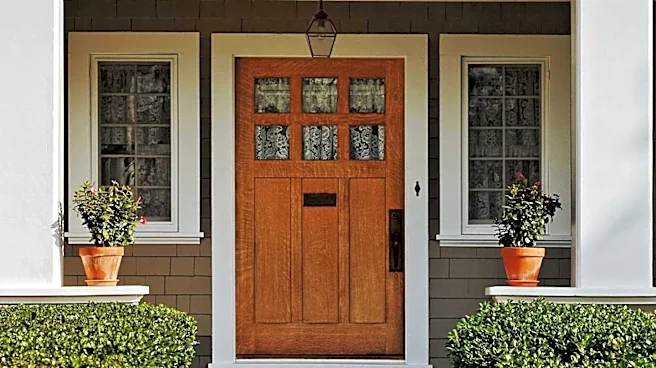
The Chicago area is showcasing several Craftsman-style homes for sale, demonstrating a regional interpretation of an architectural style often associated with California bungalows. These properties, built primarily between 1905 and 1930, share characteristics
with the Prairie School and Arts & Crafts movements. Examples include a 1915 brick craftsman designed by Edgar Newman near the Obama Presidential Center, a 1921 home in Jackson Park Highlands by local architect Luther W. Mcdonald, and a custom-built 2010 residence in DeKalb County by Kasper Construction featuring modern sustainable elements. Another notable property in Avondale, once home to the politically influential Rozmarek family, served as a temporary residence for Polish World War II refugees. These homes highlight unique historical and architectural details, such as original millwork, 1920s-style kitchens, and modern updates like geothermal heating and solar panels. The listings range in price and size, offering diverse options for buyers interested in this distinctive architectural aesthetic within the Midwest.
Why It's Important?
The availability of these Craftsman-style homes in the Chicago area is important for several reasons. Architecturally, it highlights the regional adaptation of a popular early 20th-century design, demonstrating how local influences like the Prairie School movement shaped its expression outside of California. This offers a unique perspective on American architectural history and preservation efforts. Economically, these properties contribute to the local real estate market, providing housing options that blend historical charm with modern amenities. The presence of homes with significant historical ties, such as the Rozmarek family residence which housed Polish World War II refugees, underscores their cultural and social importance, offering a tangible link to Chicago's past and its role in humanitarian efforts. For potential homeowners, these listings represent an opportunity to invest in properties with distinct character and historical value, often located in established neighborhoods with rich community histories.
What's Next?
The continued listing and sale of these Craftsman-style homes will likely influence the local real estate market by maintaining interest in historic properties and architectural preservation. As these homes are purchased, new owners may undertake renovations that balance modern living needs with the preservation of original architectural details, further contributing to the evolving landscape of Chicago's historic neighborhoods. The proximity of some properties to significant landmarks, such as the Obama Presidential Center, could also impact their long-term value and desirability. Real estate trends suggest a sustained interest in homes that offer unique character and a connection to history, which bodes well for the marketability of these Craftsman-style residences. Additionally, the ongoing documentation and sale of such properties could encourage further research into their historical significance and the architects who designed them, enriching the understanding of Chicago's architectural heritage.
Beyond the Headlines
Beyond their immediate market value, these Craftsman-style homes in Chicago represent a deeper cultural narrative about American identity and immigration. The 'Hotel Rozmarek' in Avondale, for instance, served as a crucial haven for Polish World War II refugees, illustrating the city's historical role as a melting pot and a place of refuge. This aspect highlights the social impact of residential architecture, where homes become more than just structures but symbols of community support and historical events. The blend of Californian architectural style with Midwest influences also speaks to the broader American experience of cultural diffusion and regional adaptation. These homes embody a commitment to craftsmanship and natural materials, reflecting a timeless aesthetic that continues to resonate with contemporary values of sustainability and authenticity, offering a counter-narrative to mass-produced housing and emphasizing the enduring appeal of well-built, character-rich residences.