









What's Happening?
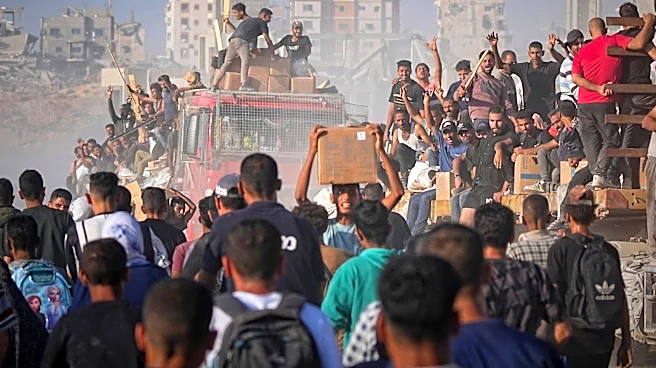
The World Food Programme (WFP) has significantly cut food assistance to Palestinians in the West Bank and Gaza Strip due to severe funding shortages. In the West Bank, the WFP has halved the number of people it can support with food aid. In Gaza, the cash
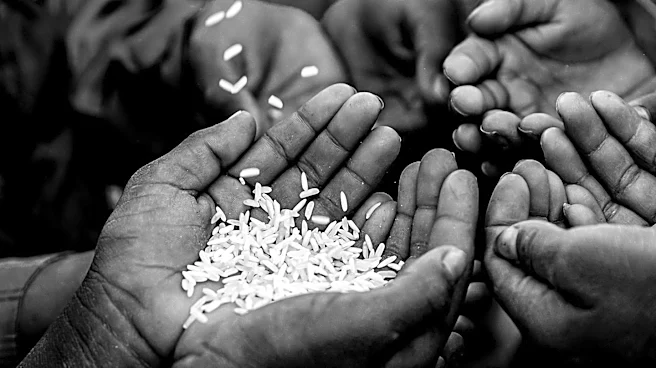
value of assistance for 375,000 people was reduced by 40% in July. These reductions come at a time when food needs have doubled since 2023, with an estimated 900,000 people in the Palestinian territories experiencing food insecurity. The WFP had previously only been able to support 400,000 of those in need. The funding crisis is exacerbated by a significant decline in household income in the West Bank, where 76% of families have seen their earnings drop. High food and fuel prices are forcing many families to sell assets and reduce the quantity and quality of their meals to survive. The unemployment rate among those aged 15 and above in the West Bank stands at 27.9%, with average daily wages being less than half of Israel's minimum daily wage.
Why It's Important?
This reduction in humanitarian aid has critical implications for the stability and well-being of the Palestinian population, particularly in the West Bank and Gaza. The WFP's decision highlights a growing humanitarian crisis, where basic food security is increasingly threatened for a large segment of the population. The economic strain, characterized by declining incomes and high living costs, creates a cycle of poverty and vulnerability. For the U.S., this situation could lead to increased calls for humanitarian intervention and diplomatic efforts to address the root causes of food insecurity and economic hardship in the region. It also underscores the challenges faced by international aid organizations in sustaining operations amidst global funding pressures and complex geopolitical environments. The potential for increased instability due to widespread food shortages could also have broader regional security implications, impacting U.S. foreign policy objectives in the Middle East.
What's Next?
The WFP is urging the international community to immediately step up support for Palestinians to prevent further deterioration of the humanitarian situation. Without additional funding, more drastic cuts to food assistance are likely, which could push more families into severe food insecurity. The ongoing economic challenges, including high unemployment and low wages, suggest that the need for humanitarian aid will continue to grow. Stakeholders, including international donors, governments, and humanitarian organizations, will need to assess the impact of these cuts and potentially re-evaluate their funding priorities and aid strategies for the Palestinian territories. The situation may also prompt renewed discussions on the economic conditions in the West Bank and Gaza, and the need for sustainable solutions beyond emergency aid.
Beyond the Headlines
The funding shortfalls for humanitarian aid in the Palestinian territories reveal deeper systemic issues beyond immediate financial constraints. The revocation of Israeli work permits for 140,000 Palestinians following the October 7 attacks has significantly impacted household incomes, contributing to the economic decline. This highlights the intricate link between political events, security measures, and humanitarian outcomes. The WFP's report that around a third of West Bank families cannot afford a nutritious diet points to a long-term public health crisis, with potential consequences for child development and overall societal well-being. The reliance on external aid, coupled with the inability of local economies to provide sufficient livelihoods, perpetuates a cycle of dependency. Addressing these issues requires not only increased humanitarian funding but also comprehensive strategies that tackle economic development, employment opportunities, and the broader political context affecting the region.