



What's Happening?
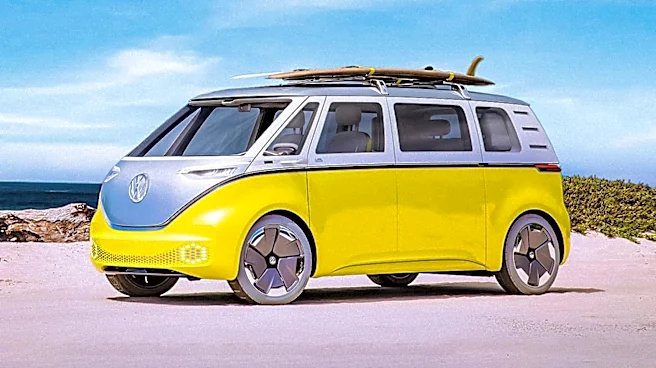
Lee Wilson, owner of an all-wheel-drive orange Volkswagen ID. Buzz, successfully completed an 8,222-mile road trip across the entire United States. The journey, which covered approximately 8,500 miles in total, aimed to demonstrate the practicality of electric
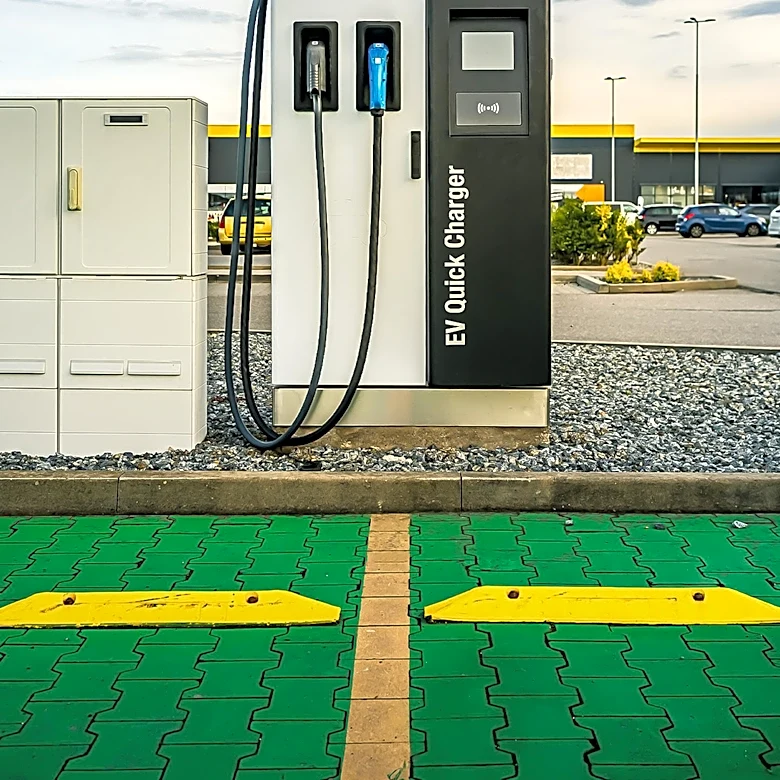
vehicles (EVs) for long-distance travel, even with a range of around 230 miles. Wilson's experience challenged common concerns about EV range anxiety and the availability of charging infrastructure. He found charging stations to be readily available in most areas, with only two instances in remote parts of Utah and New Mexico where charging options were limited to a single station, both of which were functional. The trip involved stopping every couple of hours for charging, which Wilson integrated into a new rhythm of road travel, allowing for breaks, exploration of local communities, and support for independent businesses. The ID. Buzz was equipped with a removable Peace Vans kitchen box and a sleeping setup, offering flexibility for camping, hotel stays, or visiting friends.
Why It's Important?
This extensive road trip by Lee Wilson in his Volkswagen ID. Buzz holds significant importance for the U.S. automotive industry and the broader adoption of electric vehicles. It directly addresses and potentially alleviates consumer anxieties regarding EV range and charging infrastructure, which are major barriers to widespread EV adoption. By proving that a 230-mile range EV can traverse the entire country with relative ease, Wilson's journey provides real-world evidence that current EV technology and infrastructure are more capable than often perceived. This could encourage more consumers to consider EVs for long-distance travel, thereby accelerating the transition away from gasoline-powered vehicles. Furthermore, the emphasis on integrating charging stops with local exploration and supporting small businesses highlights a potential shift in travel culture, offering new economic opportunities for communities located along major travel routes. The flexibility of the ID. Buzz as a lifestyle and travel tool also showcases the evolving utility of EVs beyond mere transportation, potentially influencing future vehicle design and consumer expectations.
What's Next?
The success of Lee Wilson's cross-country journey in the Volkswagen ID. Buzz could influence future marketing strategies for electric vehicles, with manufacturers potentially highlighting the feasibility of long-distance travel rather than solely focusing on daily commuting. This real-world demonstration may also spur further investment in and expansion of the U.S. EV charging network, particularly in more remote areas, as demand for long-haul EV travel increases. Consumers might become more open to purchasing EVs with moderate ranges, understanding that the charging infrastructure is sufficient for extensive trips. Additionally, the concept of integrating travel breaks with local exploration could become a more prominent aspect of road trip culture, leading to increased patronage of small businesses and local attractions. Automakers may also explore offering more versatile EV models, like the ID. Buzz, that cater to both daily use and adventure travel, incorporating features such as removable camping equipment and integrated refrigeration to enhance the travel experience.
Beyond the Headlines
Beyond the immediate implications for EV adoption and charging infrastructure, Lee Wilson's journey in the Volkswagen ID. Buzz touches upon deeper cultural and societal shifts. The experience redefines the traditional American road trip, moving away from the 'Iron Bladder Brigade' mentality of non-stop driving towards a more deliberate and experiential journey. This shift encourages travelers to engage more deeply with the places they pass through, fostering a greater appreciation for local communities and natural landscapes. The distinctive design of the ID. Buzz, which consistently attracted attention and conversation, also highlights the role of EVs in sparking public interest and dialogue about sustainable transportation. This public engagement can contribute to a broader cultural acceptance and normalization of electric vehicles. Furthermore, the adaptability of the ID. Buzz, functioning as both a daily driver and an adventure vehicle, suggests a future where vehicles are not just modes of transport but integrated components of a flexible, sustainable lifestyle, blurring the lines between utility, leisure, and environmental consciousness.