




What's Happening?
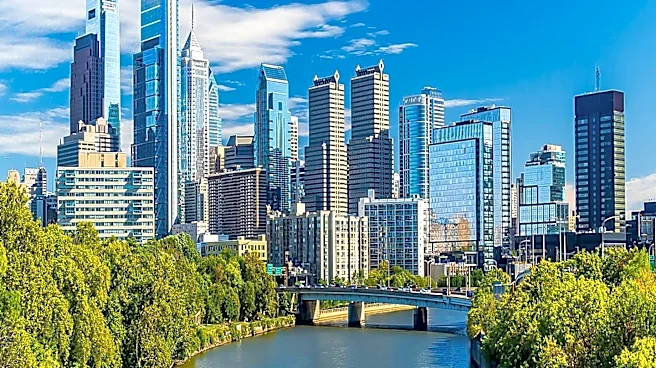
Philadelphia is currently celebrating its second annual Historically Black Colleges and Universities (HBCU) Week, a six-day event that has significantly expanded from its inaugural one-day format in 2025. The celebration brings together communities from across
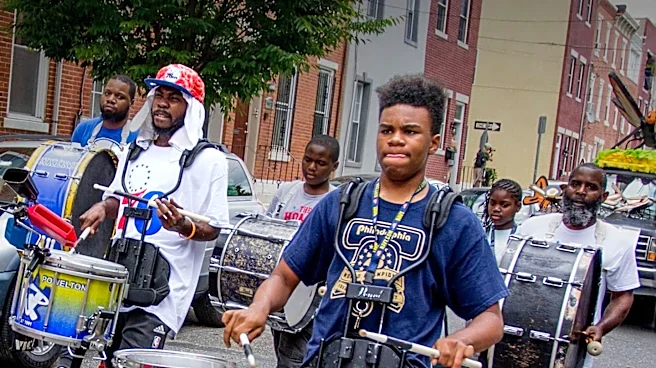
the region and features a diverse range of activities, including two football games. Lincoln University is scheduled to play Virginia Union University on Friday night, followed by a Saturday matchup between Delaware State University and Norfolk State University. Beyond sports, the week includes step shows, band competitions, a college and job fair, and various other community events. Philadelphia Mayor Cherelle Parker emphasized that the week is about more than just football, highlighting its focus on pride, dignity, and self-sufficiency. The event also aims to generate economic activity for the city, with Mayor Parker welcoming the tax revenue from visitors eating in restaurants and shopping in stores.
Why It's Important?
HBCU Week in Philadelphia holds significant cultural, educational, and economic importance. Culturally, it serves as a vital platform for celebrating the rich heritage and traditions of historically Black colleges and universities, fostering a sense of pride and community among attendees. Educationally, the college and job fair provides crucial opportunities for high school students to explore higher education options and potential career paths, inspiring the next generation. Economically, the expanded six-day event is a substantial boost for Philadelphia's local economy. The influx of visitors for football games, cultural events, and community activities translates into increased spending at local businesses, restaurants, and hotels, generating valuable tax revenue for the city. This initiative demonstrates how cultural events can be leveraged to drive economic development and community engagement, benefiting various stakeholders from students and alumni to local merchants and city services.
What's Next?
HBCU Week will continue with its scheduled events, including the remaining football games, cultural performances, and educational fairs. The success of this expanded second annual event is likely to solidify its place as a recurring and growing fixture in Philadelphia's calendar. City officials and organizers will likely evaluate the economic impact and community engagement to plan for future iterations, potentially seeking further expansion or diversification of activities. The focus on inspiring students and providing pathways to self-sufficiency suggests ongoing efforts to connect educational opportunities with career development. The event's growing popularity could also attract more national attention to Philadelphia as a hub for celebrating Black culture and education, potentially drawing more visitors and investment in the long term.
Beyond the Headlines
The growth of Philadelphia's HBCU Week reflects a broader national trend of increasing recognition and support for historically Black colleges and universities. These institutions, often underfunded, play a critical role in providing educational opportunities and fostering leadership within the Black community. Events like HBCU Week not only celebrate their legacy but also serve as powerful advocacy platforms, raising awareness about their contributions and needs. The emphasis on economic impact also highlights how cultural celebrations can be integrated into urban development strategies, creating a symbiotic relationship between community pride and financial growth. Furthermore, by bringing together diverse communities, such events can help bridge cultural divides and promote a more inclusive understanding of American history and education, fostering a sense of shared identity and purpose beyond the immediate festivities.