





What's Happening?
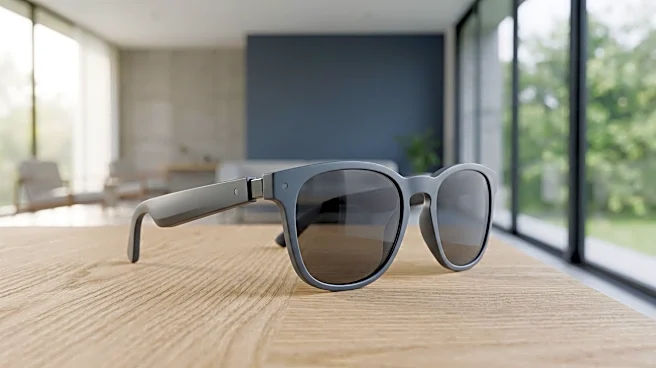
Movie theaters in the UK are considering a ban on Meta smart glasses, such as those produced with Ray-Ban and Oakley, primarily due to concerns over piracy and privacy. The main issue stems from the glasses' ability to record video in a discreet manner,
which could allow individuals to covertly film movies and live shows, potentially even live-streaming them. While Meta states that a light illuminates when recording, critics argue this indicator is easy to miss, especially in bright environments, though it would be more noticeable in a dark cinema. The proposed ban aims to mitigate the risk of illicit recordings and address privacy concerns for other patrons who may be unknowingly filmed. This consideration follows a growing trend of private venues restricting the use of smart glasses due to their 'spy-camera' capabilities, adding to the challenges faced by smart glasses manufacturers and users.
Why It's Important?
This potential ban highlights a significant conflict between technological innovation and established societal norms regarding privacy and intellectual property. For the entertainment industry, particularly cinema, the threat of piracy through covert recording devices poses a substantial economic risk, potentially leading to significant revenue losses. For individuals, the privacy implications of being unknowingly recorded by smart glasses raise ethical and legal questions about consent and personal space in public and semi-public venues. The ongoing debate reflects a broader struggle to regulate rapidly evolving technology that blurs the lines between personal use and public impact. This situation could set a precedent for how other public and private spaces address the use of smart wearables with recording capabilities, potentially leading to more widespread restrictions and influencing future product design to incorporate more overt recording indicators or user controls.
What's Next?
Should UK cinemas proceed with a ban, it could prompt similar actions in other countries, including the U.S., as entertainment industries globally grapple with piracy and privacy issues related to smart glasses. This development might pressure Meta and other smart glasses manufacturers to implement more robust and undeniable recording indicators or to explore alternative technologies that address these concerns without compromising core functionalities. The ongoing public discourse around 'perv glasses' and the increasing number of venues imposing restrictions could lead to a significant perception overhaul for smart glasses, potentially impacting consumer adoption and market growth. Legal frameworks may also evolve to address the challenges posed by covert recording devices, potentially leading to new regulations on the sale and use of such technologies in public spaces. The industry will likely continue to seek a balance between technological advancement and the protection of privacy and intellectual property rights.
Beyond the Headlines
The controversy surrounding Meta smart glasses and potential bans in cinemas delves into deeper societal anxieties about surveillance and the erosion of privacy in an increasingly connected world. The ability to record discreetly challenges the fundamental expectation of anonymity in public spaces, forcing a re-evaluation of what constitutes public versus private. This issue extends beyond cinemas to everyday interactions, raising ethical questions about consent in documentation and the potential for misuse of recorded content. Furthermore, the debate highlights the tension between technological progress and the need for social acceptance, suggesting that innovation alone is not sufficient for widespread adoption if it infringes upon deeply held values. The struggle to regulate smart glasses also underscores the slow pace of legal and social adaptation to rapid technological change, creating a gap where ethical guidelines and public consensus often lag behind product development, leading to reactive bans rather than proactive policy-making.