





What's Happening?
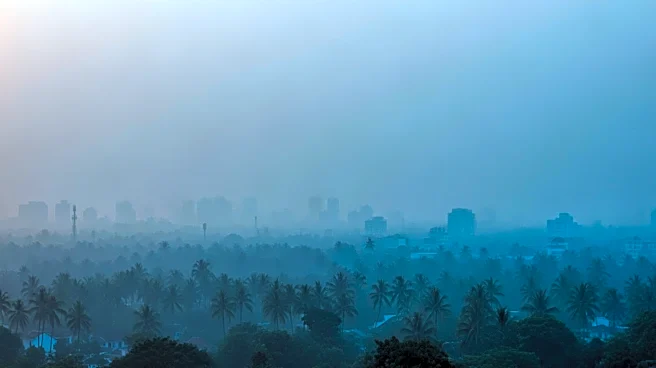
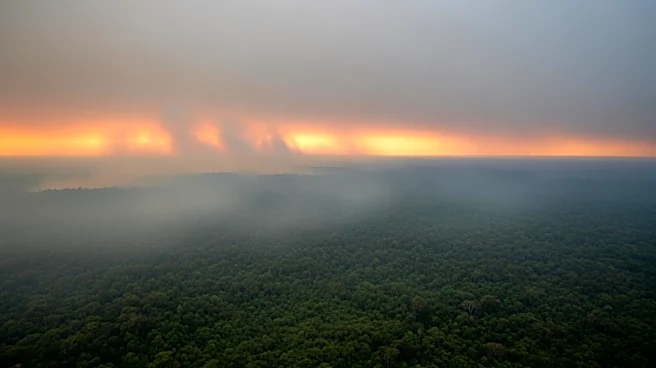
In early April 2026, Southeast Asia experienced significant air pollution due to wildland fires and agricultural burning. The region, including Laos, Thailand, Vietnam, Cambodia, and Myanmar, was covered in haze, with hundreds of hotspots identified.
Data from NASA's Suomi NPP satellite revealed thermal anomalies and smoke, exacerbated by weather patterns preventing air dispersion. The presence of aerosol particles and carbon monoxide was noted, contributing to regional air pollution and potential health impacts.
Why It's Important?
The stagnant air conditions in Southeast Asia highlight the environmental and health challenges posed by wildland fires and agricultural practices. The persistence of pollutants like carbon monoxide can affect air quality and climate, with implications for public health and regional environmental policies. The data provided by NASA's satellites is crucial for monitoring air quality and informing mitigation strategies. Understanding the impact of these fires is essential for developing effective policies to reduce emissions and protect public health.