








What's Happening?
The World Bank has issued a warning about renewed risks to food security, particularly for countries like Nigeria, due to worsening global weather conditions, declining grain production, and persistent supply chain disruptions. The latest Food Security
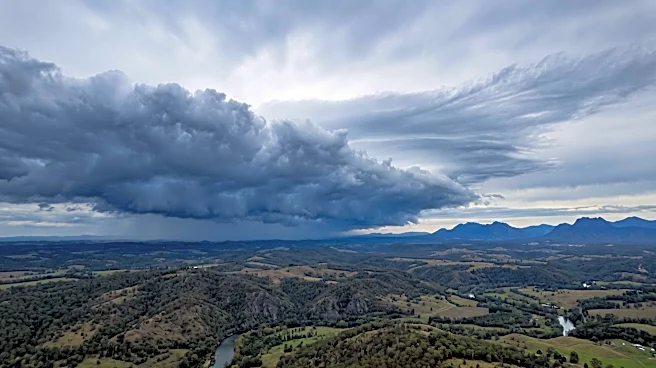
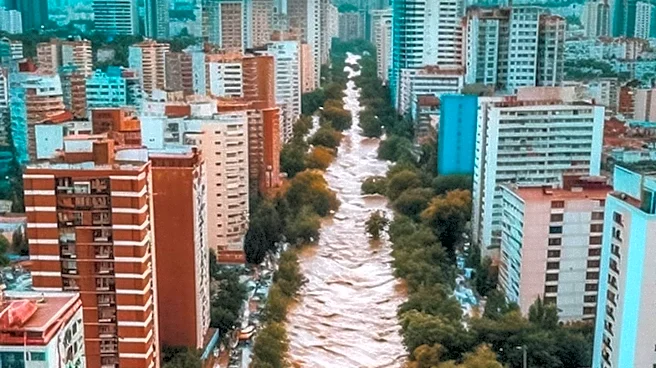
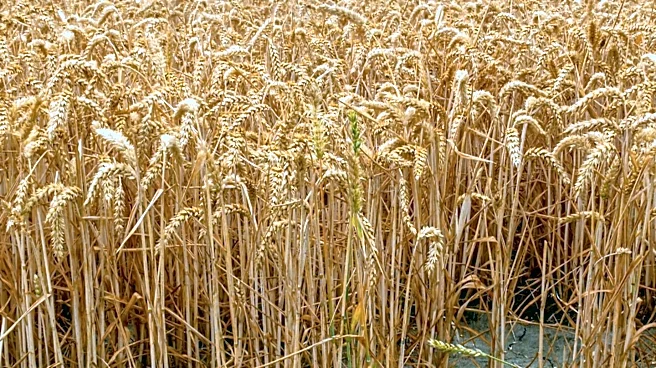
Update from the World Bank indicates that an increasingly strong El Niño weather pattern is expected to trigger droughts, flooding, and extreme temperatures across major agricultural regions. While global food markets currently remain stable with adequate supplies and declining agricultural commodity prices, logistical disruptions, high transportation costs, and weather-related uncertainties continue to threaten food security, especially in developing nations. The report projects a decline in global grain production by 68 million tons year-on-year in the 2026/27 season, primarily due to lower maize and wheat output, while global grain consumption is expected to marginally increase. This imbalance is anticipated to reduce end-season grain stocks, weakening the global supply buffer against future production shocks.
Why It's Important?
The World Bank's warning, while focused on Nigeria, has broader implications for global food security, including potential indirect effects on the U.S. economy and its food supply. A reduction in global grain stocks and a decline in overall grain production could lead to increased international commodity prices, which could eventually impact U.S. consumers through higher food costs. Although the U.S. is a major agricultural producer, it is not immune to global market fluctuations. Furthermore, disruptions in international supply chains, exacerbated by adverse weather, can affect the availability and cost of imported food products in the U.S. The report underscores the interconnectedness of global food systems and highlights the vulnerability of even well-supplied markets to widespread climate-related agricultural challenges. This situation emphasizes the need for robust international cooperation and diversified food sources to mitigate potential impacts.
What's Next?
The World Bank projects that strong El Niño conditions will persist through early 2027, increasing the likelihood of severe weather events in key agricultural regions. This suggests that the challenges to food security are likely to intensify in the near term. Countries, particularly developing ones, will need to accelerate investments in climate-resilient agriculture, irrigation infrastructure, and efficient food distribution networks. Expanding strategic food reserves and improving early-warning systems will also be crucial for policymakers and farmers to respond effectively to emerging climate threats. For the U.S., monitoring global agricultural trends and maintaining diversified trade relationships will be important to buffer against potential supply shocks and price increases. The global community will likely focus on collaborative efforts to strengthen food systems and enhance resilience against climate variability.
Beyond the Headlines
The World Bank's report points to a deeper, systemic challenge beyond immediate weather patterns: the long-term sustainability of global food production in the face of climate change. The vulnerability of rain-fed farming systems, particularly in developing countries, highlights the urgent need for technological advancements and infrastructure development in agriculture. Ethically, the potential for increased food insecurity in vulnerable regions raises questions about global responsibility and equitable access to resources. The report also implicitly suggests a shift in investment priorities, moving towards climate adaptation and resilience in agriculture rather than solely focusing on maximizing yields. This could lead to new international aid programs, trade policies, and agricultural research initiatives aimed at creating a more secure and sustainable global food system for the future.