





What's Happening?
A global ranking of urban population growth reveals that the fastest-growing cities are predominantly located in Asia and Africa. Indian cities are leading this trend in terms of annual growth rates. According to the World Population Review's "Fastest
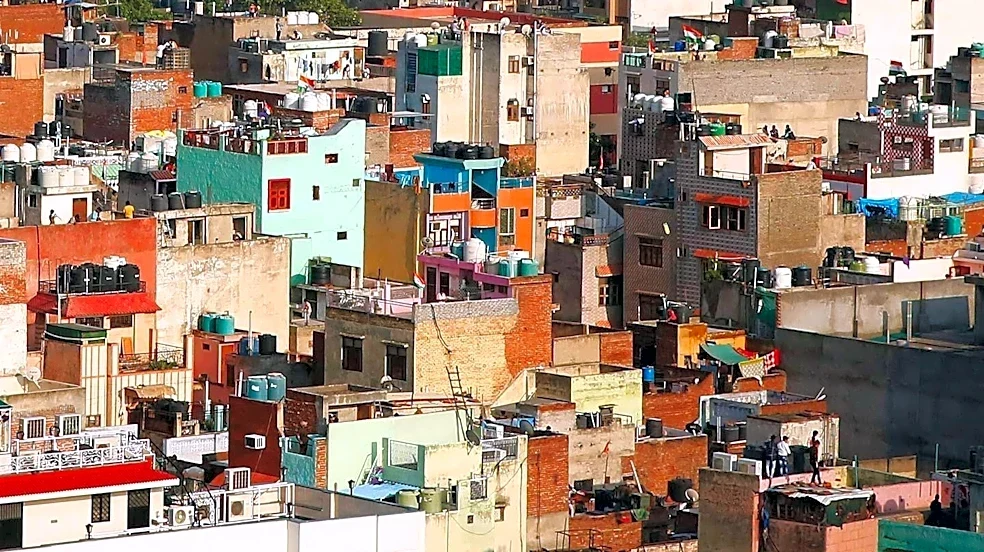
Growing Cities in the World 2026" rankings, every city in the top ten lists for both annual growth and total five-year growth is situated in either Asia or Africa. Ghaziabad, an Indian city adjacent to Delhi, tops the annual growth rate chart at 5.2%, followed by Surat, India, at 4.99%. Other rapidly expanding cities include Kabul, Afghanistan (4.74%), and Lagos, Nigeria (4.44%). In terms of total growth over a five-year period, Malappuram in India's Kerala state saw a 44% increase, with Can Tho in Vietnam and Suqian in China each growing by 37%. The United Nations projects that India, China, and Nigeria will collectively account for 35% of the world's urban population growth between 2018 and 2050. The World Population Review attributes this urban expansion to cities offering larger job markets, higher wages, and improved access to education and services.
Why It's Important?
While this report primarily focuses on global urban growth, the implications for the U.S. are indirect but significant. Rapid urbanization in Asia and Africa represents a massive demographic shift, creating new consumer markets and labor pools that can influence global trade and investment patterns. U.S. businesses, particularly those in technology, infrastructure, and consumer goods, may find expanding opportunities in these burgeoning urban centers. Conversely, the challenges associated with such rapid growth, such as strain on infrastructure and resources, could lead to instability or humanitarian concerns that might require international attention and potentially U.S. involvement. The report also highlights the increasing global competition for resources and talent, which could affect U.S. economic competitiveness. Understanding these demographic shifts is crucial for U.S. policymakers and businesses to anticipate future global economic trends, identify emerging markets, and formulate effective international engagement strategies. The growth of these cities also underscores the evolving global economic landscape, where a significant portion of future economic activity will originate outside traditional Western markets.
What's Next?
As these urban centers continue their rapid expansion, the focus will likely shift towards sustainable development and infrastructure investment. Many of these cities are growing faster than their existing infrastructure can support, leading to challenges in providing basic services like sanitation and clean water, as noted in the case of Lagos. This presents potential opportunities for U.S. companies specializing in urban planning, sustainable technologies, and infrastructure development to offer solutions. International organizations and governments, including the U.S., may increase their support for development initiatives in these regions to address the growing needs and prevent potential crises. Furthermore, the continued growth of these cities will likely lead to increased migration, both internal and international, which could have implications for global migration policies and humanitarian aid. Businesses will need to adapt their strategies to cater to the unique demands and demographics of these rapidly evolving urban populations, potentially leading to new product development and market entry strategies.
Beyond the Headlines
The phenomenon of rapid urbanization in Asia and Africa, as detailed in the report, points to a profound rebalancing of global demographics and economic power. This shift is not merely about population numbers but also about the emergence of new cultural and economic hubs that will increasingly shape global trends. The challenges of infrastructure, resource management, and social equity in these fast-growing cities highlight the complex interplay between development, governance, and environmental sustainability. There's a deeper ethical consideration regarding how the benefits of urban growth are distributed and whether these cities can develop inclusively, avoiding the creation of vast informal settlements and ensuring access to opportunities for all residents. For the U.S., this global trend necessitates a re-evaluation of its long-term strategic interests, moving beyond traditional alliances to engage more deeply with these dynamic and rapidly evolving urban landscapes. The success or failure of these cities in managing their growth will have ripple effects on global stability, trade, and environmental health, making their development a critical area of international focus.