

What's Happening?
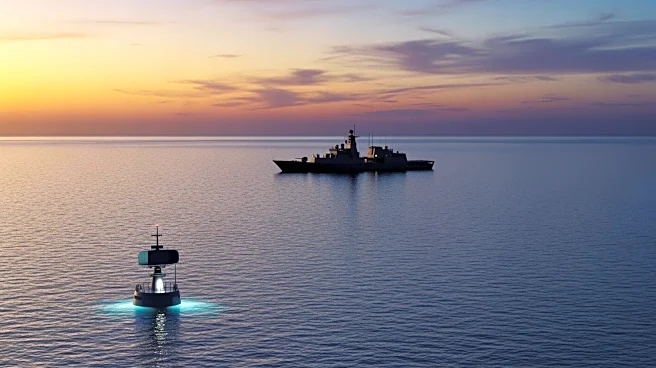
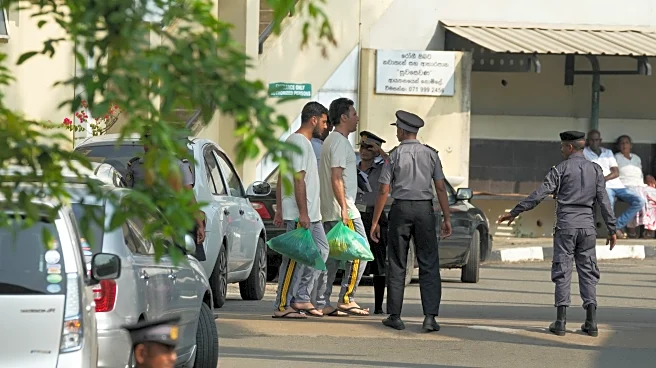
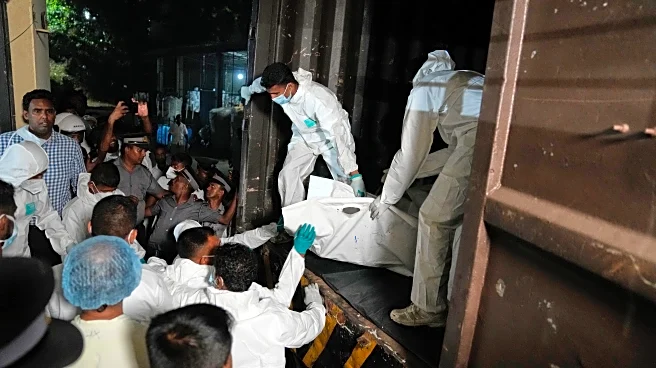
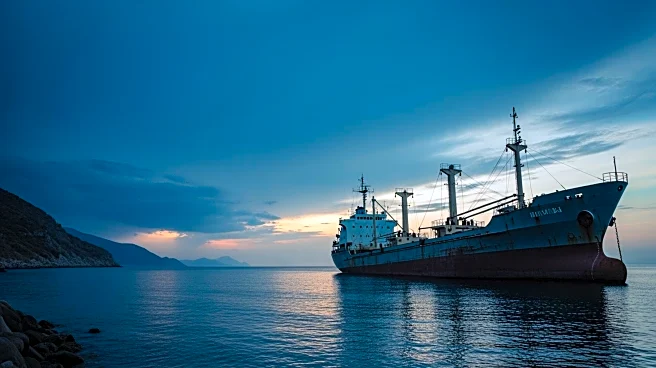
Sri Lanka has taken custody of the Iranian vessel IRIS Bushehr after the U.S. sank an Iranian warship, the IRIS Dena, off the coast of Sri Lanka. The incident has heightened tensions in the Indian Ocean. The Sri Lankan navy transferred 204 sailors from
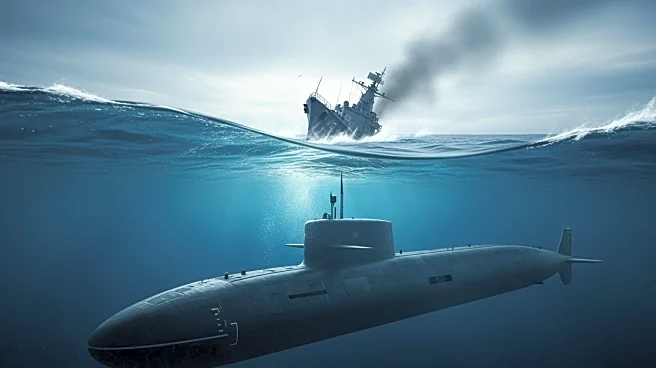
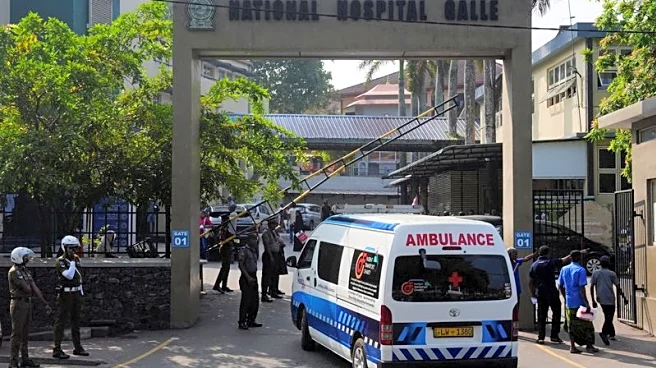
the Bushehr to shore for medical checks, while 15 remained on board to assist with reported faults. The Bushehr, a logistics ship, will be moved to the port of Trincomalee. The Dena was returning from naval exercises hosted by India when it was sunk by a U.S. submarine, marking a rare instance of a submarine sinking a surface warship since World War II. The Sri Lankan government acted under international law, emphasizing neutrality and humanitarian principles.
Why It's Important?
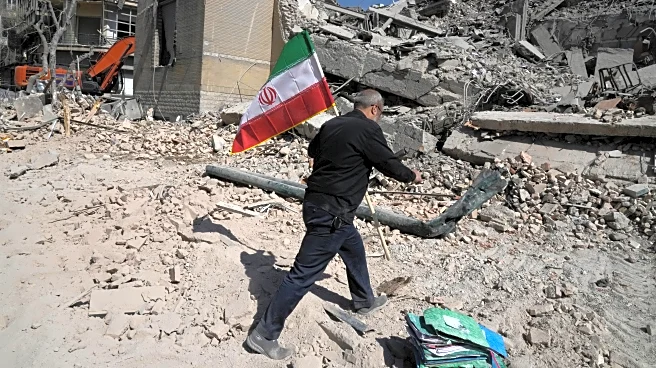
This development underscores the escalating military tensions involving the U.S. and Iran, with significant implications for international maritime security and diplomatic relations. Sri Lanka's decision to take custody of the Iranian vessel highlights its strategic position and the challenges of maintaining neutrality amidst global conflicts. The incident could affect U.S.-Iran relations and influence regional security dynamics, particularly in the Indian Ocean. The involvement of multiple countries in the naval exercises, including the U.S., further complicates the geopolitical landscape. Sri Lanka's actions reflect its commitment to international law and humanitarian obligations, which may impact its diplomatic standing.
What's Next?
The IRIS Bushehr will remain in Sri Lankan custody until further notice, with ongoing discussions between Sri Lanka and Iran. The situation may prompt diplomatic engagements between involved nations, including potential responses from Iran regarding the sinking of the Dena. The U.S. and its allies may also address the incident within broader strategic and security frameworks. Sri Lanka's handling of the situation will be closely watched as it navigates its non-aligned foreign policy amidst increasing global tensions.
Beyond the Headlines
The incident raises questions about the legal and ethical dimensions of military engagements at sea, particularly concerning the use of force and the protection of non-combatants. It also highlights the role of smaller nations like Sri Lanka in global conflicts, where adherence to international law and humanitarian principles can influence broader geopolitical narratives. The presence of Australian personnel on the U.S. submarine underlines the complexities of international military cooperation and the potential for unintended consequences in multinational operations.