






What's Happening?
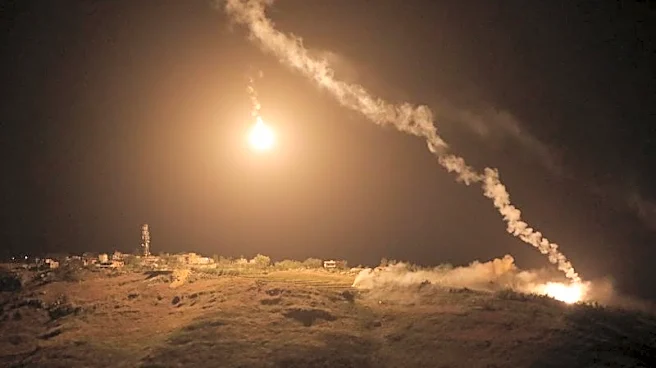
Israel and Lebanon have agreed to a 45-day extension of their ceasefire following talks in Washington, as announced by the US State Department. Despite the extension, hostilities persist, with Israeli strikes in southern Lebanon and Hezbollah attacks
on Israeli positions. The ceasefire aims to advance peace and security along the shared border, but challenges remain due to ongoing military actions. The Lebanese health ministry reported casualties from Israeli strikes, highlighting the fragile nature of the truce.
Why It's Important?
The ceasefire extension is a critical step towards reducing violence and fostering stability in a volatile region. The US's involvement as a mediator reflects its strategic interest in Middle Eastern peace and security. However, the continued clashes underscore the difficulties in achieving a lasting resolution. The situation impacts regional stability and has implications for international diplomacy, particularly involving US relations with Middle Eastern countries.
What's Next?
Further negotiations are planned, with the US hosting additional talks in June. The success of these efforts will depend on both parties' commitment to the ceasefire and addressing underlying issues. The international community will likely continue to engage in diplomatic efforts to support the peace process and ensure compliance with the ceasefire terms.