







What's Happening?
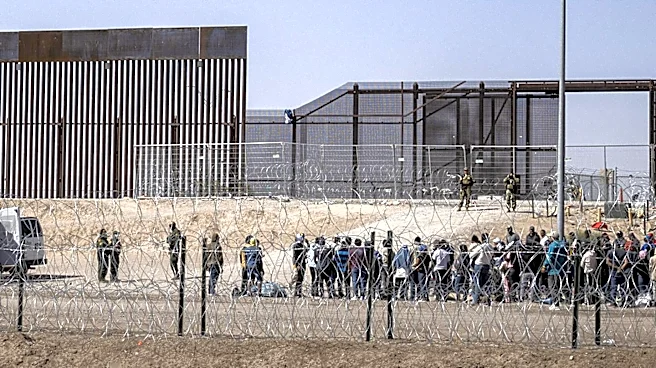
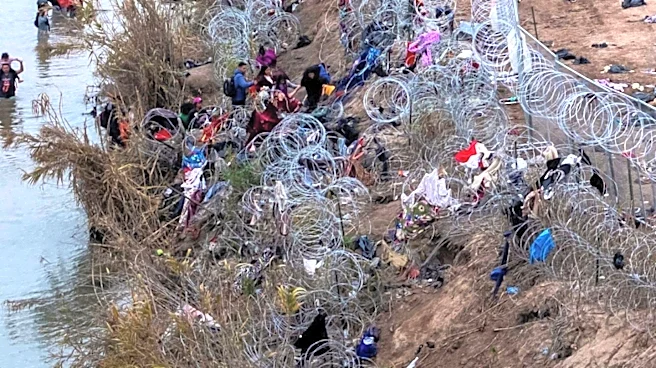
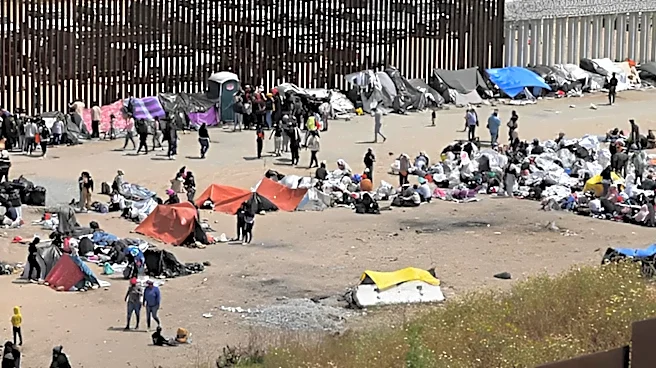
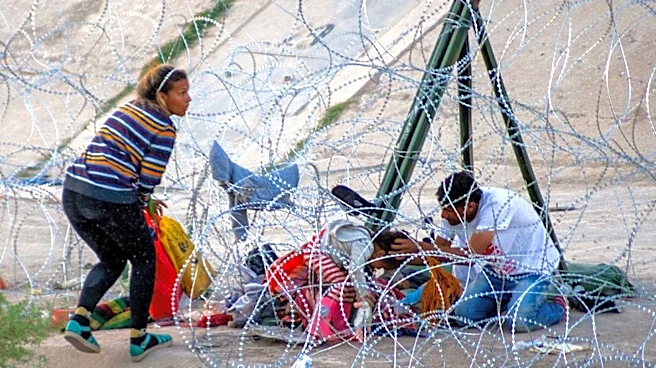
A diplomatic clash between Spain and Italy has led to the reintroduction of border controls, causing disruptions for travelers. The conflict arose after a surge of migrants into the Spanish territory of Ceuta, prompting Italy to maintain border checks
despite assurances from Spain and the European Commission that the situation was under control. Spain has threatened to take proportional measures if Italy does not lift the controls by August 9. The European Commissioner for Internal Affairs and Migration, Magnus Brunner, is attempting to mediate the dispute, emphasizing the importance of trust between EU member states.
Why It's Important?
The reintroduction of border controls between Spain and Italy highlights ongoing tensions within the European Union regarding migration management and border security. This situation underscores the challenges faced by EU countries in balancing national security concerns with the principles of free movement within the Schengen Area. The dispute also reflects broader issues of trust and cooperation among EU member states, which are crucial for effectively addressing migration and security challenges. The outcome of this conflict could set a precedent for how similar situations are handled in the future.
What's Next?
As the deadline for Italy to lift border controls approaches, diplomatic efforts are likely to intensify. If the situation is not resolved, Spain may implement retaliatory measures, potentially escalating the conflict. The European Commission may also become more involved in mediating the dispute to prevent further disruptions to travel and trade within the EU. The resolution of this issue will be closely watched by other EU member states, as it could influence future policies on border management and migration.
Beyond the Headlines
The border dispute between Spain and Italy also raises questions about the EU's ability to manage migration effectively and maintain internal cohesion. The situation highlights the need for comprehensive and coordinated migration policies that address the root causes of migration and provide support to countries facing significant migratory pressures. Additionally, the conflict underscores the importance of maintaining open communication and cooperation among EU member states to prevent similar disputes in the future.