





What's Happening?
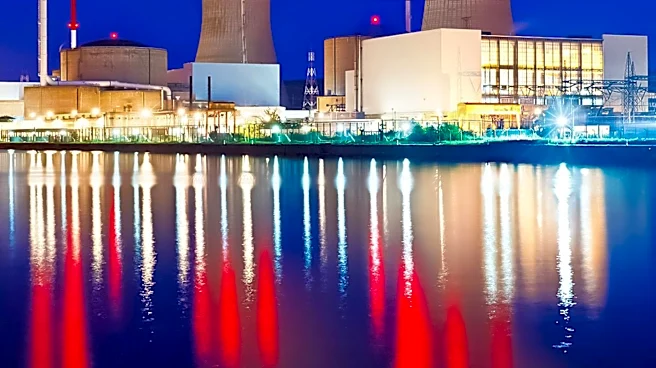
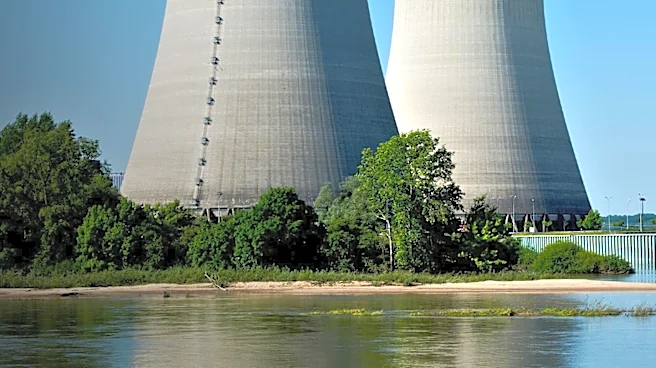
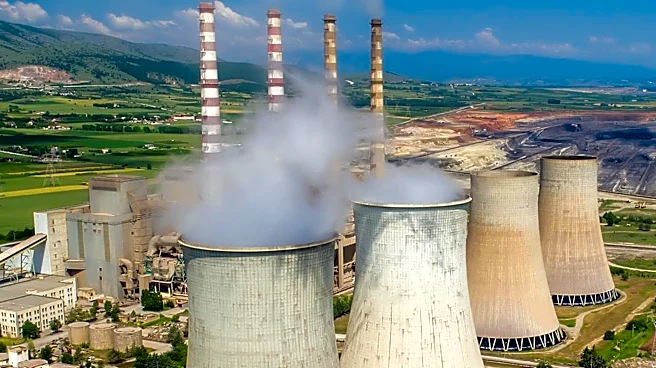
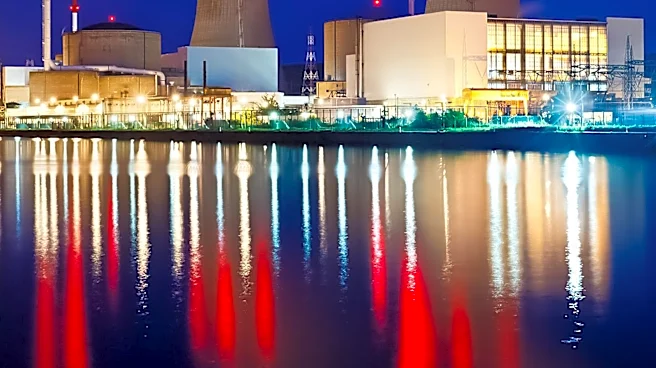
Persistent drought and extreme heat waves have caused the Danube River's water levels to drop to record lows, affecting nuclear power plants in Central and Eastern Europe. In Hungary, the Paks nuclear power plant, which relies on the Danube for cooling,
is operating at a fraction of its capacity. Romania's Cernavoda nuclear plant has also been impacted, with the military taking drastic measures to improve water flow by demolishing a rock outcrop in the river. The situation has led to power shortages and disruptions in industrial operations across the region, with countries like Serbia also experiencing reduced hydroelectric power output.
Why It's Important?
The water crisis on the Danube highlights the vulnerability of energy infrastructure to climate change and extreme weather conditions. The reduced capacity of nuclear and hydroelectric power plants could lead to increased reliance on fossil fuels, impacting efforts to reduce carbon emissions. The situation also underscores the need for countries to diversify their energy sources and improve water management strategies. The economic impact is significant, with industries facing production cuts and potential financial losses due to power shortages.
What's Next?
Countries affected by the Danube water crisis are likely to continue implementing emergency measures to manage the situation. This may include further restrictions on industrial power usage and increased electricity imports. The crisis could prompt a reevaluation of energy policies and infrastructure investments to enhance resilience against future climate-related challenges. Additionally, international cooperation may be necessary to address the broader implications of water shortages on energy security in the region.