



What's Happening?
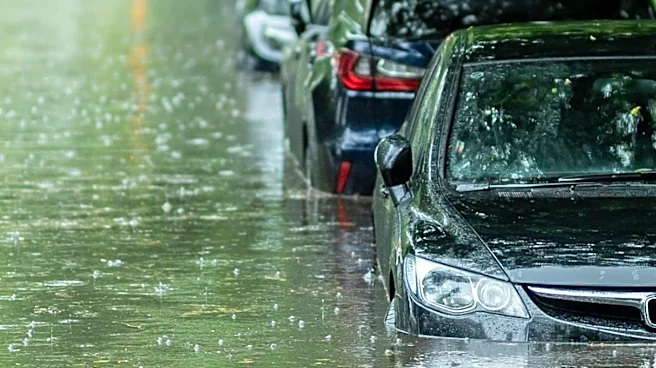
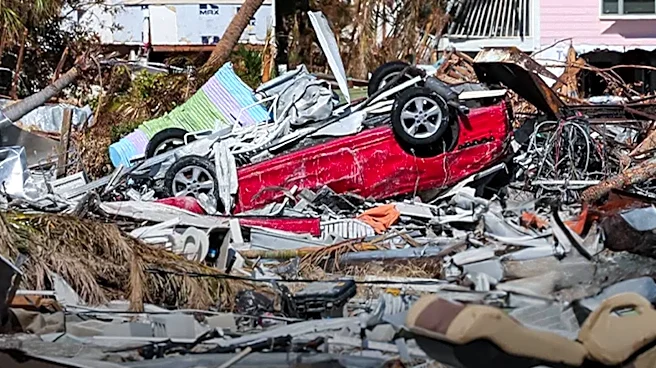
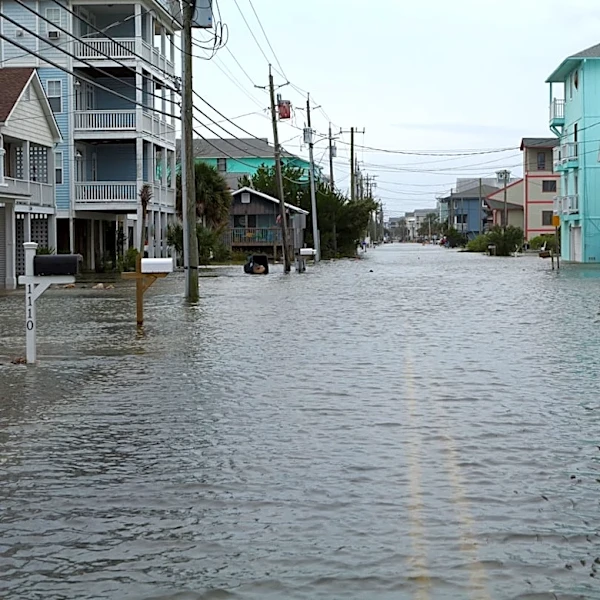
Typhoon Dujuan has resulted in at least two fatalities and left four individuals missing in Japan, according to state media reports. The storm brought record rainfall to the Kanto region and Tokyo’s outlying islands, leading to widespread flooding and landslides.
Public broadcaster NHK reported that the Japan Meteorological Agency issued a Level 5 landslide warning, the highest alert level, urging residents in affected areas to remain vigilant. While the typhoon is moving away from Japan, flooding persists in parts of Chiba prefecture, located near Tokyo. Additionally, landslides have been reported in Yokosuka, in the neighboring Kanagawa prefecture. Search and rescue operations are currently underway for the four missing individuals whose homes were impacted by the landslides. The two confirmed deaths occurred in Chiba and Kanagawa prefectures.
Why It's Important?
The impact of Typhoon Dujuan underscores the significant vulnerability of Japan to natural disasters, particularly typhoons, which frequently bring heavy rainfall, flooding, and landslides. The issuance of a Level 5 landslide warning highlights the extreme danger posed by such events and the critical need for robust disaster preparedness and response systems. The loss of life and missing persons represent a tragic human cost, while the damage to infrastructure and communities can have lasting economic and social consequences. For the U.S., this event serves as a reminder of the increasing frequency and intensity of extreme weather phenomena globally, which can have broader implications for international aid, disaster relief efforts, and climate change discussions. It also emphasizes the importance of international cooperation in developing resilient infrastructure and early warning systems to mitigate the impact of such disasters.
What's Next?
Search and rescue operations will continue in the affected areas, particularly in Chiba and Kanagawa prefectures, to locate the missing individuals. Authorities will also focus on assessing the full extent of the damage, providing aid to those displaced, and initiating recovery and reconstruction efforts. The Japan Meteorological Agency will continue to monitor weather patterns and issue further warnings as needed. In the longer term, this event may prompt a review of existing disaster preparedness protocols and infrastructure resilience, potentially leading to enhanced measures to protect communities from future typhoons and associated hazards. International organizations and neighboring countries may offer assistance, and discussions around climate change adaptation and mitigation strategies are likely to gain renewed urgency in the wake of such destructive weather events.
Beyond the Headlines
The recurring nature of typhoons and their devastating effects in Japan highlight a deeper challenge related to climate change and its impact on weather patterns. The increased intensity and unpredictability of such storms raise questions about the long-term sustainability of coastal communities and the effectiveness of current urban planning in mitigating natural disaster risks. Ethically, the event brings to the forefront the responsibility of governments to protect their citizens from environmental threats and to invest in resilient infrastructure. Culturally, these events often foster a strong sense of community solidarity and resilience, as people come together to support recovery efforts. However, they also expose socio-economic disparities, as vulnerable populations may be disproportionately affected by the destruction. The long-term shifts could include a greater emphasis on climate-resilient development, advanced early warning systems, and potentially, population shifts away from high-risk areas, influencing urban and regional planning for decades to come.