






What's Happening?
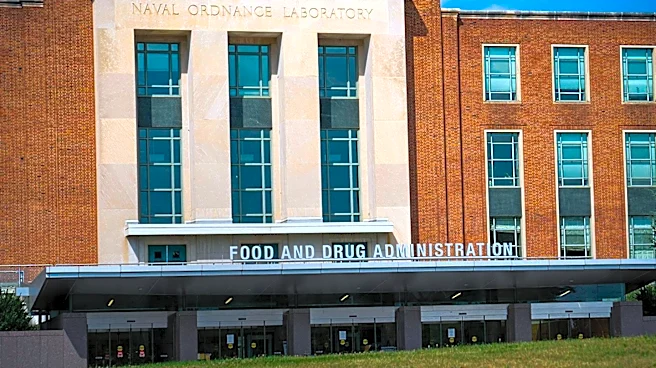
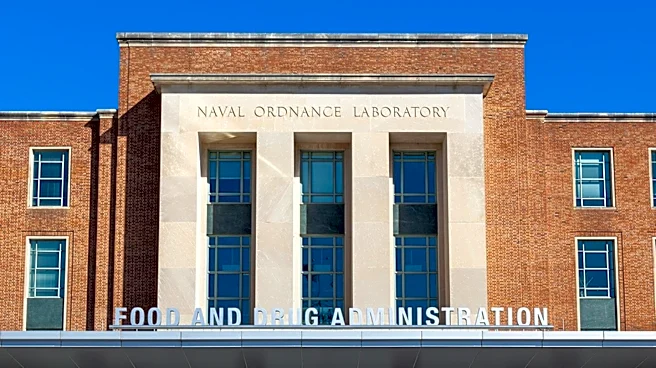
DBV Technologies, a biopharmaceutical company, has submitted a Biologics License Application (BLA) to the U.S. Food and Drug Administration (FDA) for its investigational VIASKIN Peanut Patch. This submission targets children aged 4 to 7 years who suffer
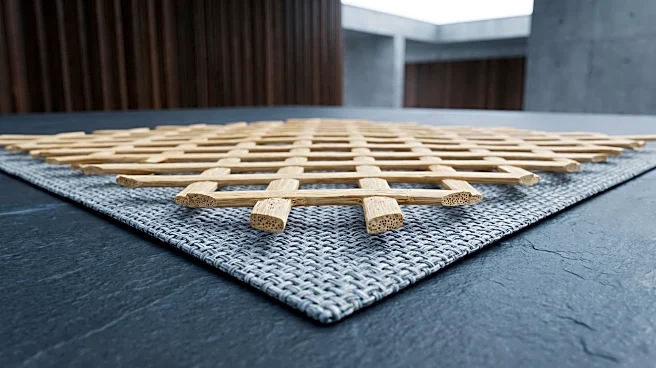
from peanut allergies. The company has also requested a Priority Review from the FDA to accelerate the evaluation process. The VIASKIN Peanut Patch previously received Breakthrough Therapy Designation from the FDA, which aims to expedite the development and review of treatments for serious or life-threatening conditions. If approved, this patch would offer a non-invasive alternative to current allergy treatments. The therapy works by administering microgram quantities of peanut protein directly onto the skin to desensitize the immune system over time, utilizing DBV’s proprietary epicutaneous immunotherapy (EPIT) platform. The submission is supported by positive results from the Phase 3 VITESSE clinical trial, which involved 654 peanut-allergic children across 86 trial sites globally, including the United States.
Why It's Important?
The potential approval of the VIASKIN Peanut Patch could significantly impact the lives of thousands of children and families in the U.S. grappling with peanut allergies. Peanut allergies can range from mild discomfort to life-threatening anaphylaxis, posing a constant threat and requiring vigilant management. A non-invasive treatment option like the VIASKIN patch could reduce the anxiety associated with accidental exposure and improve the quality of life for affected children. This therapy represents a shift from traditional methods, which often involve oral ingestion or injections, by leveraging the skin's immune-tolerizing properties. For the healthcare system, a successful new treatment could lead to reduced emergency room visits and long-term healthcare costs associated with managing severe allergic reactions. Furthermore, DBV Technologies' North American operations are based in Warren, New Jersey, indicating a direct U.S. presence and potential economic impact through job creation and pharmaceutical innovation within the country.
What's Next?
The FDA will now review DBV Technologies' Biologics License Application for the VIASKIN Peanut Patch, with a Priority Review requested by the company. This designation suggests a faster review timeline compared to standard applications. During this period, the FDA will assess the efficacy and safety data from the Phase 3 VITESSE clinical trial. If approved, DBV Technologies plans to expand treatment options, as they are already conducting clinical evaluations of the VIASKIN Peanut Patch in toddlers aged 1 through 3 years. The company will also focus on transforming into a commercial organization to bring the product to market. Stakeholders, including patient advocacy groups, allergists, and families of children with peanut allergies, will closely monitor the FDA's decision, which could set a precedent for future epicutaneous immunotherapy treatments for other food allergies.
Beyond the Headlines
The development of the VIASKIN Peanut Patch highlights a broader trend in medical research towards innovative, less invasive treatments for chronic conditions. Epicutaneous immunotherapy (EPIT) represents a novel approach to allergy management, moving beyond symptomatic relief to address the underlying immune response. This method could potentially reduce the psychological burden on patients and caregivers, who often live with constant fear of allergic reactions. The success of this patch could pave the way for similar treatments for other food allergies, transforming how these conditions are managed globally. Furthermore, the focus on early childhood intervention, with ongoing trials for toddlers, underscores a growing understanding of critical developmental windows for immune system modulation. This could lead to a paradigm shift in allergy prevention and treatment strategies, emphasizing early and sustained exposure to allergens in a controlled manner.