









What's Happening?
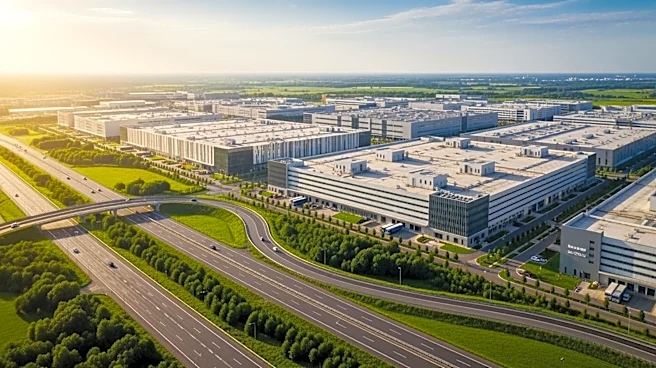
Residents of Coweta County, Georgia, are mobilizing against the construction of a large datacenter known as Project Sail. The community has launched a petition to hold a referendum that could potentially block the project and prevent future datacenters
and cryptocurrency mining operations. The initiative has gained significant traction, with organizers collecting approximately 6,500 signatures towards a goal of 14,000. This grassroots movement is part of a broader trend across the U.S. where communities are opposing the rapid expansion of datacenters due to environmental and infrastructural concerns. The county commission had previously passed an ordinance allowing the datacenter, which many residents feel disregarded their concerns about noise, water, and electricity usage.
Why It's Important?
The opposition to Project Sail highlights growing public resistance to the proliferation of datacenters, which are often seen as environmentally taxing and disruptive to local communities. This movement in Coweta County reflects a national sentiment, as recent polls indicate that a significant majority of Americans would oppose datacenters near their homes. The outcome of this referendum could set a precedent for other communities facing similar challenges, empowering citizens to influence local policy decisions. The case also underscores the tension between technological advancement and environmental conservation, as datacenters are integral to supporting AI and other digital services.
What's Next?
If the petition reaches the required number of signatures, Coweta County will hold a referendum, allowing residents to vote on the datacenter's future. This could inspire similar actions in other regions, potentially leading to more stringent regulations on datacenter construction. The county commission and the company behind Project Sail, Prologis, may need to address community concerns more directly to avoid further legal and civic challenges. The outcome could influence how local governments balance economic development with environmental and community interests.
Beyond the Headlines
The Coweta County case raises broader questions about the role of local governance in regulating large-scale industrial projects. It also highlights the power of grassroots activism in shaping public policy. The environmental implications of datacenters, such as water usage and habitat disruption, are becoming increasingly significant as digital infrastructure expands. This situation may prompt a reevaluation of zoning laws and environmental protections in rural areas, potentially leading to more sustainable development practices.