






What's Happening?
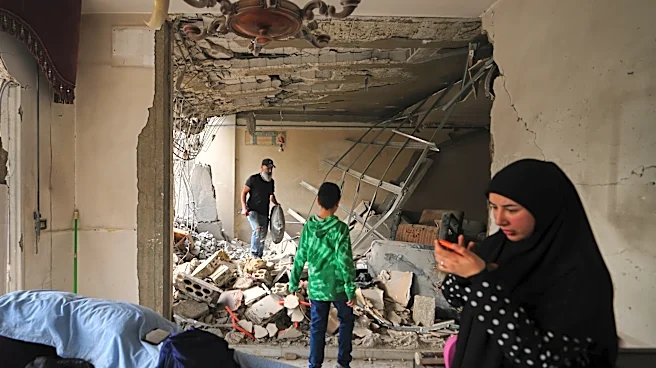
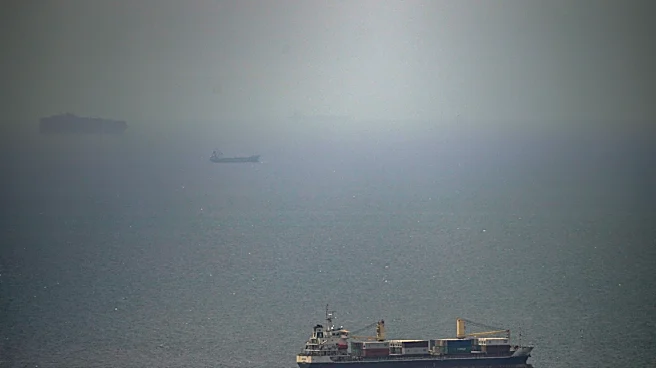
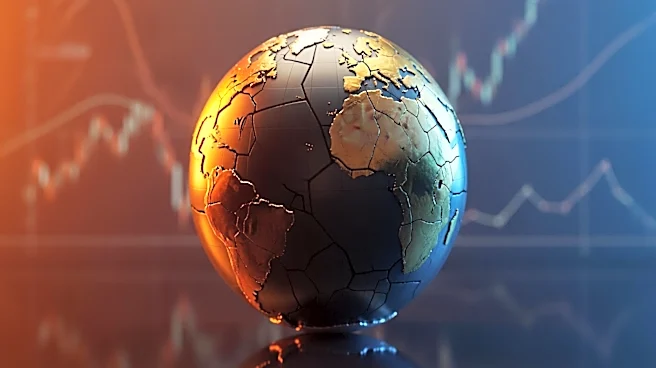
The ongoing conflict in the Middle East, particularly the US-Israeli attack on Iran, is projected to impose up to $1 trillion in additional costs on the global economy. This situation is exacerbated by disruptions in oil and gas supplies, leading to elevated
fuel prices and significant profits for petroleum companies. The crisis is contributing to increased inequality, poverty, and hunger worldwide.
Why It's Important?
The economic impact of the Middle East crisis highlights the global dependency on fossil fuels and the vulnerability of economies to geopolitical conflicts. The situation underscores the need for a transition to renewable energy sources to reduce reliance on volatile oil markets. The crisis also raises ethical concerns about the distribution of wealth and the role of fossil fuel companies in exacerbating global inequalities.
What's Next?
There are calls for a windfall tax on excess profits of oil companies to fund social protection and investments in renewable energy. The crisis may prompt a reevaluation of energy policies and increased support for sustainable energy initiatives. International cooperation and policy shifts may be necessary to address the root causes of energy dependency and promote global energy security.
Beyond the Headlines
The crisis highlights the ethical implications of fossil fuel dependency and the need for climate justice. It raises questions about the responsibility of developed nations to support vulnerable countries in transitioning to sustainable energy sources. The situation also underscores the importance of international diplomacy in resolving conflicts and ensuring global stability.