








What's Happening?
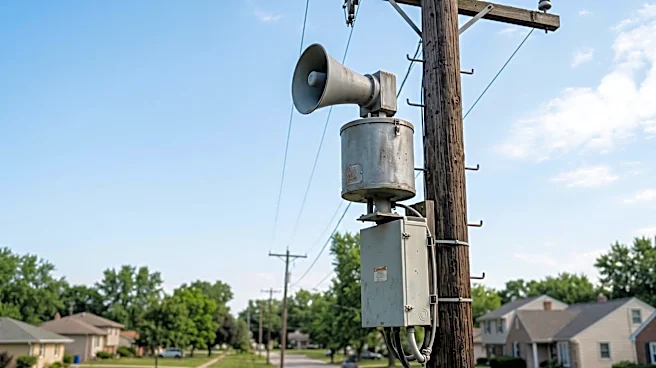
The Boone County Office of Emergency Management in Columbia, Missouri, has issued an apology following the activation of outdoor warning sirens with an incorrect setting during a scheduled monthly test on Wednesday, November 4, 2026. The routine test resulted
in a different siren sound than typically used, causing potential confusion among residents. Chris Kelley, Director of Boone County Emergency Management, acknowledged the concern created by the unexpected sound and stated that the office is reviewing its testing procedures to prevent similar incidents in the future. The office clarified that there was no active threat to the public during the test. Residents are reminded that outdoor warning sirens are primarily for alerting individuals outdoors to immediate threats, such as tornado warnings, and should not be the sole source of emergency information. The office encourages the use of multiple alert systems, including NOAA Weather Radio, Wireless Emergency Alerts, and local weather sources.
Why It's Important?
This incident highlights the critical importance of accurate and consistent public safety communication systems. Any deviation from expected protocols, even during a test, can erode public trust and create confusion, potentially hindering effective responses during actual emergencies. For U.S. communities, particularly those in regions prone to severe weather, reliable warning systems are a cornerstone of disaster preparedness. When sirens sound differently or unexpectedly, it can lead to residents either ignoring future warnings due to perceived unreliability or experiencing unnecessary panic. The Boone County Office of Emergency Management's swift acknowledgment and commitment to reviewing procedures are crucial steps in maintaining public confidence in their ability to provide timely and accurate emergency information, which is vital for community safety and resilience.
What's Next?
The Boone County Office of Emergency Management plans to review its testing procedures to prevent future occurrences of incorrect siren settings during routine tests. This review will likely involve an assessment of operational protocols, staff training, and potentially system checks to ensure the correct settings are consistently applied. Residents can expect continued monthly siren tests, with the expectation that these will now adhere to the standard sound and procedure. The office will likely continue to emphasize the importance of having multiple sources for emergency alerts, reinforcing the message that sirens are one component of a broader warning system. This incident may also prompt other U.S. emergency management agencies to review their own testing protocols to ensure clarity and consistency in public warnings.
Beyond the Headlines
The incident in Boone County, while seemingly minor, touches upon the broader psychological and sociological aspects of public warning systems. The effectiveness of such systems relies heavily on public conditioning and trust. When a warning signal deviates from its expected form, it can trigger a 'cry wolf' effect or, conversely, undue alarm, both of which are detrimental to public safety. This event underscores the need for not only robust technical systems but also clear, consistent communication strategies that manage public expectations and reinforce the meaning of various alerts. It also highlights the ongoing challenge for emergency management agencies to balance routine testing with the need to avoid public confusion, especially in an era where misinformation can spread rapidly. The incident serves as a reminder that even small procedural errors can have significant implications for public perception and preparedness.