





What's Happening?
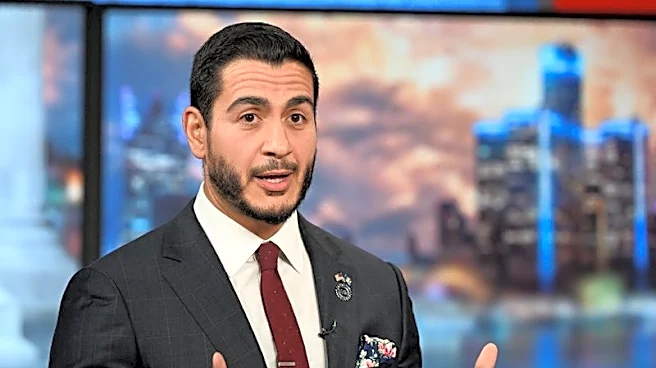
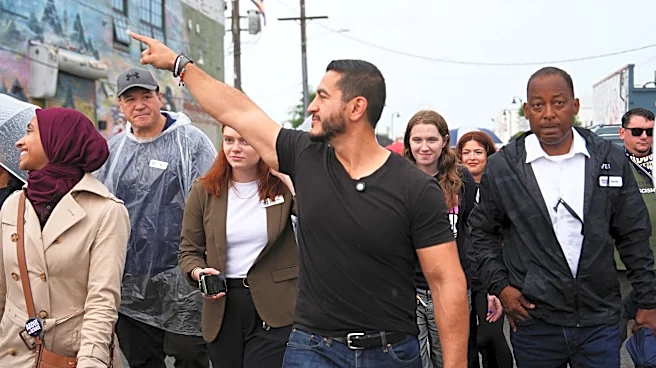
Michigan voters are set to decide a competitive Democratic U.S. Senate primary, which will test the influence of the party's progressive wing. The primary features U.S. Rep. Haley Stevens, backed by the Democratic establishment, against former Detroit
public health official Abdul El-Sayed, supported by prominent progressives. The race is significant as it could impact control of the Senate and reflects broader national trends in Democratic politics. Stevens has received endorsements from key figures like Senate Minority Leader Chuck Schumer, while El-Sayed is backed by U.S. Sens. Bernie Sanders and Elizabeth Warren. The primary is also notable for the involvement of the American Israel Public Affairs Committee, which has heavily invested in supporting Stevens.
Why It's Important?
This primary is a microcosm of the broader ideological battle within the Democratic Party between establishment figures and progressive challengers. The outcome could influence the party's direction and strategy in future elections. The involvement of significant financial backing from groups like AIPAC highlights the role of external influences in shaping electoral outcomes. The primary's results will also set the stage for the general election, where the Democratic nominee will face former U.S. Rep. Mike Rogers, the unopposed Republican candidate.
What's Next?
As the primary concludes, attention will shift to the general election, where the Democratic nominee will compete against Mike Rogers. The results will be closely watched to gauge the strength of progressive candidates in competitive races. The primary's outcome may also affect future endorsements and campaign strategies within the Democratic Party, particularly regarding the influence of external political action committees.