





What's Happening?
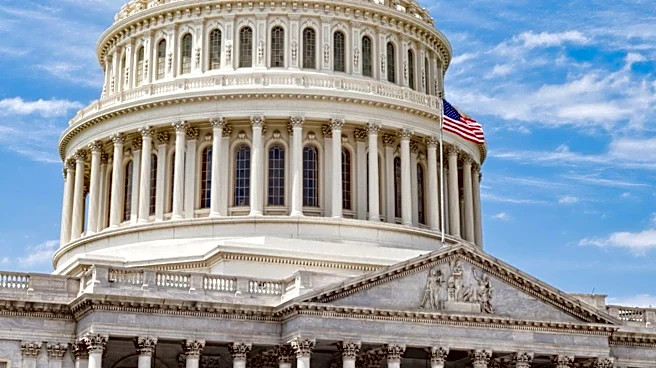
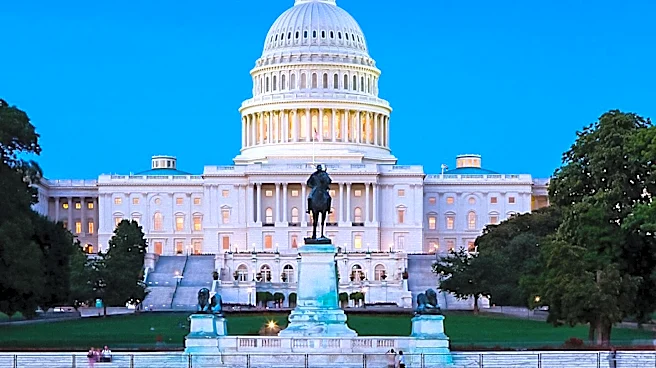
The U.S. House of Representatives is experiencing significant internal conflict as 14 Republican members joined Democrats in opposing a procedural rule related to a defense bill. This development has led to a legislative standstill, forcing the House to adjourn
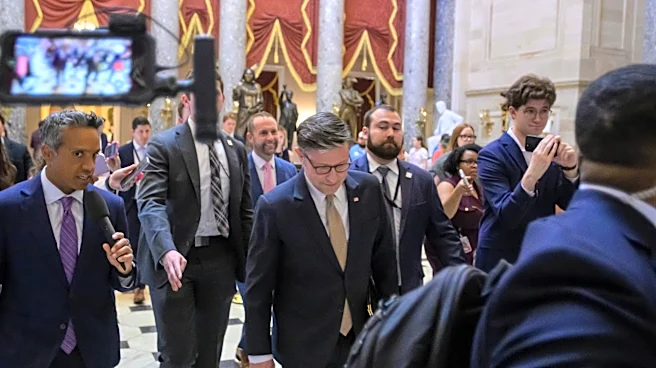
for the July 4 recess earlier than planned. The procedural rule was intended to merge the National Defense Authorization Act (NDAA) with the SAVE America Act, which mandates proof of citizenship for voter registration and photo ID for voting. The failure to pass this rule highlights the ongoing divisions within the Republican Party, particularly among conservative hard-liners who are demanding action on the SAVE America Act. Speaker Mike Johnson's inability to secure enough support for the rule has stalled the legislative agenda, delaying other bills, including a bipartisan housing package.
Why It's Important?
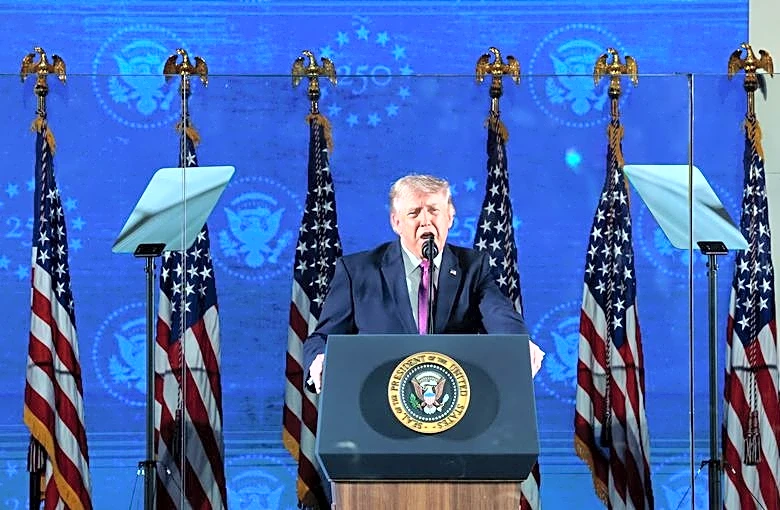
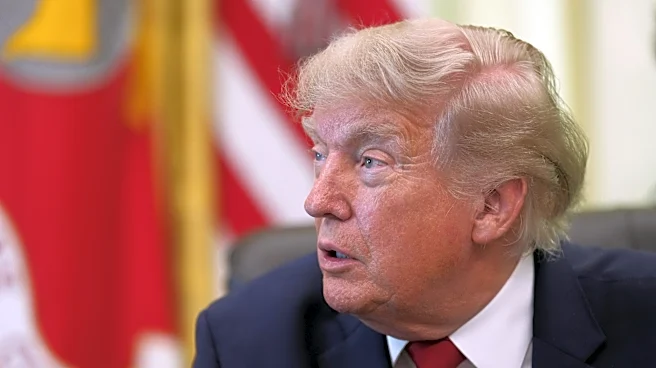
The inability to pass the procedural rule and the subsequent early recess underscore the challenges facing the Republican Party's narrow majority in the House. The divisions within the party could have significant implications for the legislative process, potentially stalling key initiatives and affecting governance. The conflict over the SAVE America Act reflects broader national debates on voting rights and election security, with President Trump advocating for its passage. The legislative gridlock could impact public policy, particularly in areas like defense spending and housing, and may influence voter perceptions of the Republican Party's effectiveness in governance.
What's Next?
The House is not expected to reconvene until July 13, delaying further legislative action. The ongoing divisions within the Republican Party suggest that similar conflicts may arise in future legislative sessions, potentially affecting the passage of other significant bills. The Senate's stance on the SAVE America Act remains a critical factor, as its passage is necessary for the House to move forward with its agenda. The situation may prompt further negotiations and strategic adjustments within the Republican Party to address internal disagreements and advance their legislative priorities.