
What's Happening?
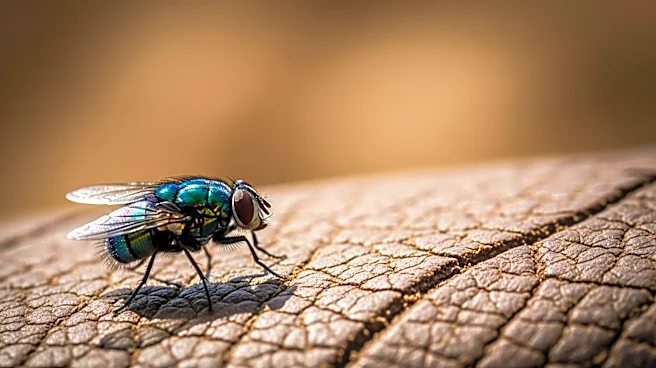
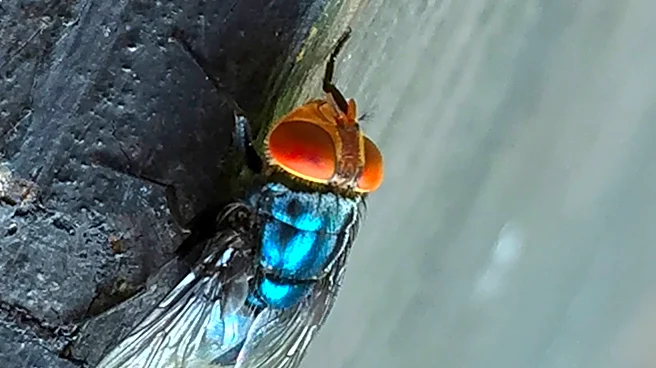
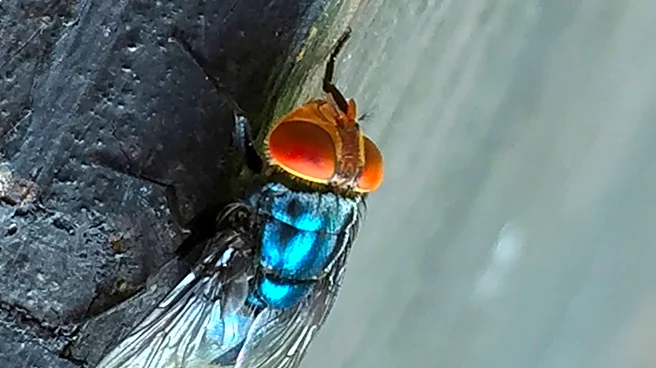
The U.S. Department of Agriculture (USDA) is investigating a suspected case of New World screwworm in South Texas, a parasitic fly that affects livestock and other warm-blooded animals. This fly, eradicated
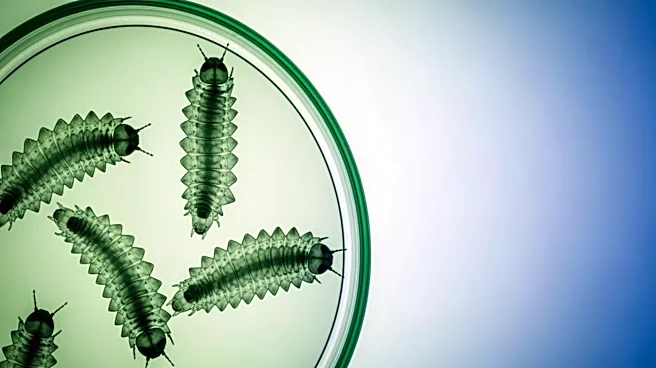
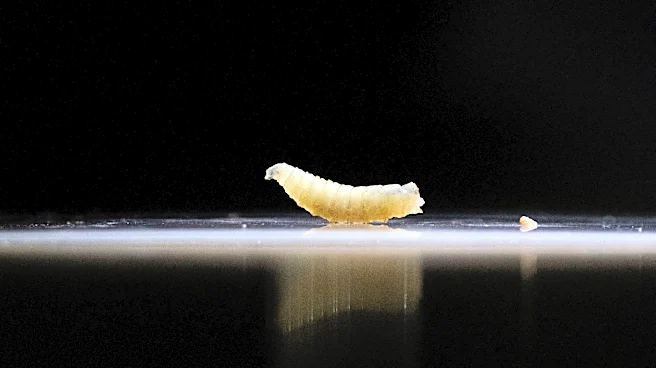
from the U.S. since the 1960s, poses a potential threat to Texas's $15 billion cattle industry. The USDA's National Veterinary Services Laboratories in Iowa is conducting confirmatory testing, while USDA personnel collaborate with local partners in Texas. Texas officials, including Agriculture Commissioner Sid Miller, have criticized the federal response, urging for more aggressive measures. A local county judge plans to file a disaster declaration due to the potential threat. The screwworm's larvae feed on living tissue, and while the current risk to animals and people in the U.S. is low, the situation is being closely monitored.
Why It's Important?
The detection of New World screwworm in Texas could have significant economic implications, particularly for the cattle industry, which is a major component of the state's economy. The potential spread of this parasite could lead to substantial financial losses for ranchers and impact beef prices, which are already high. The situation underscores the importance of effective pest control measures and the need for a swift response to prevent a full-blown agricultural disaster. The criticism from Texas officials highlights tensions between state and federal authorities regarding the handling of agricultural threats, which could influence future policy and resource allocation.
What's Next?
If the presence of New World screwworm is confirmed, the USDA and Texas authorities may need to implement more stringent control measures, such as deploying the Screwworm Adult Suppression System (SWASS) and increasing the release of sterile flies to curb the parasite's spread. The situation may prompt further calls for federal intervention and resources to protect the livestock industry. Local governments might also take additional preemptive actions, such as declaring local disasters, to mitigate the threat. The outcome of the USDA's testing will be crucial in determining the next steps.