






What's Happening?
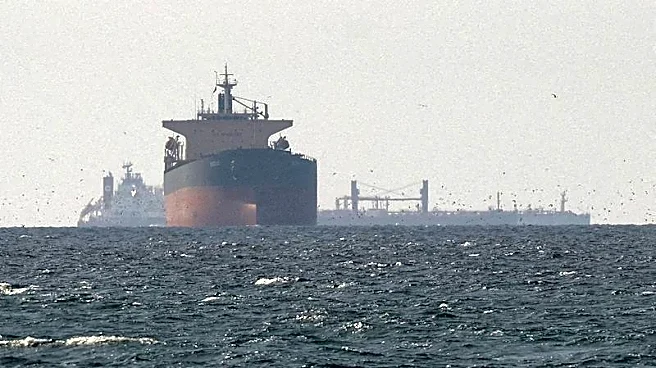
The United States and Iran have reached an agreement on a temporary ceasefire lasting two weeks. This ceasefire includes the reopening of the Strait of Hormuz, a critical maritime passage for global oil shipments. The agreement aims to reduce tensions
in the region and facilitate diplomatic discussions. The Strait of Hormuz is a strategic chokepoint, and its reopening is expected to ease concerns over potential disruptions in oil supply. The ceasefire is part of broader efforts to stabilize relations between the two nations, which have been strained due to various geopolitical issues.
Why It's Important?
The reopening of the Strait of Hormuz is significant for global oil markets, as it is a vital route for oil exports from the Middle East. Any disruption in this area can lead to increased oil prices and affect global economic stability. The temporary ceasefire may also provide a window for diplomatic negotiations, potentially leading to more lasting peace agreements. For the U.S., this development could help reduce military tensions and focus on diplomatic solutions. The agreement may also impact international relations, as other countries closely monitor the situation for potential shifts in regional alliances and economic impacts.
What's Next?
The two-week ceasefire provides an opportunity for further diplomatic engagement between the U.S. and Iran. Stakeholders, including international organizations and neighboring countries, may push for extended peace talks to address underlying issues. The reopening of the Strait of Hormuz will be closely watched by global markets, and any signs of renewed conflict could lead to swift reactions in oil prices. Political leaders and analysts will likely assess the ceasefire's effectiveness and explore avenues for a more permanent resolution.