


What's Happening?
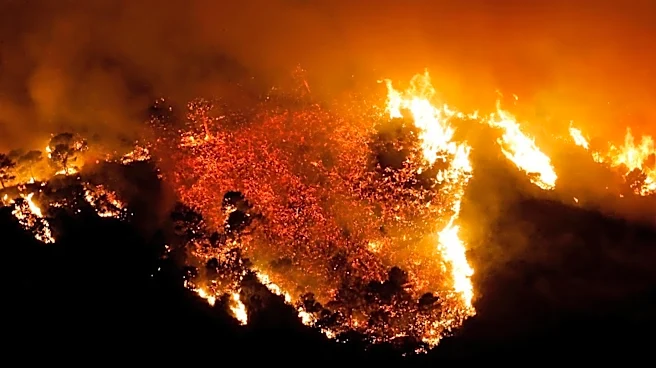
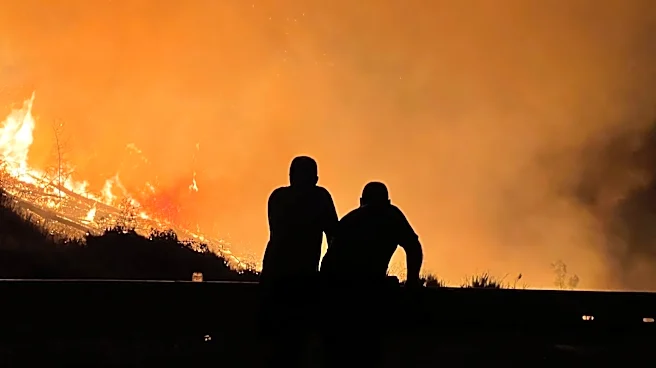
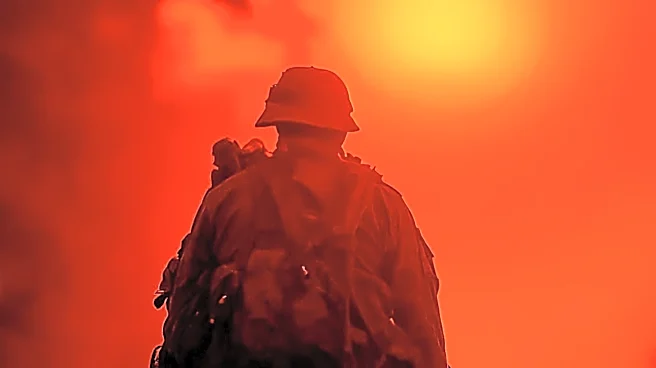
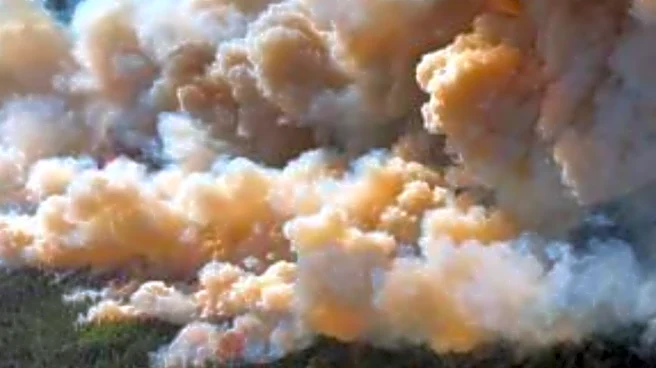
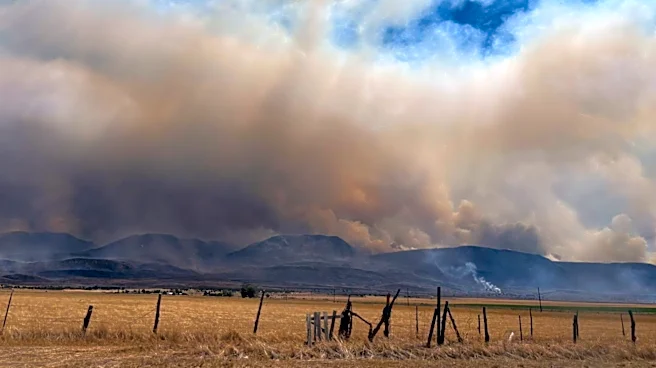
Wildfires continue to rage across the western U.S. and Canada, leading to widespread evacuations. In Washington, crews are managing three wildfires near Spokane, which have damaged or destroyed approximately 920 structures. In Canada, over 20,000 people
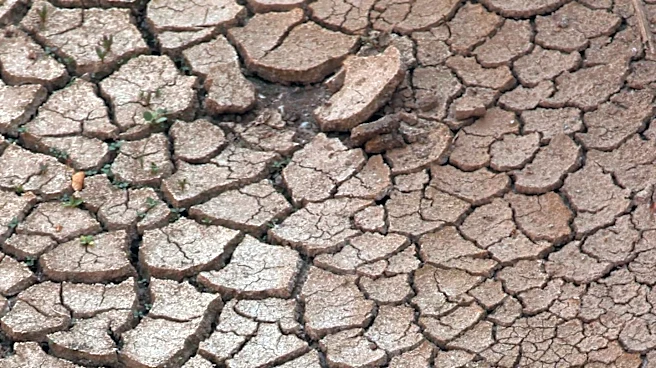
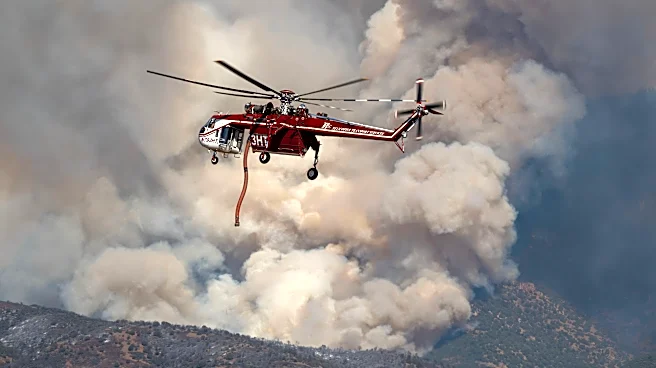
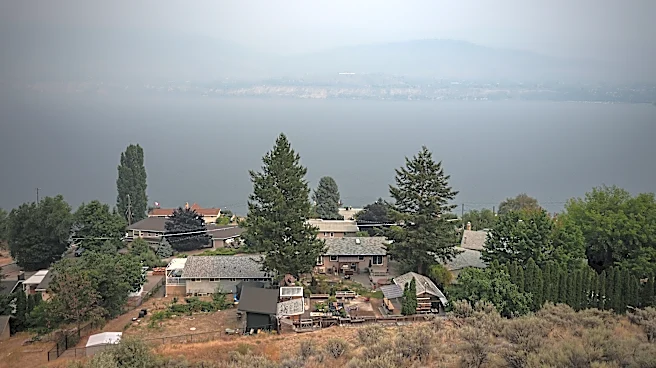
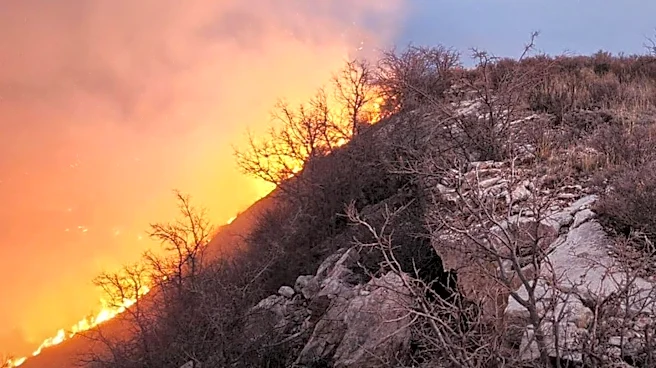
have been evacuated from areas around Okanagan Lake in British Columbia due to fast-moving fires. The fires have been exacerbated by dry conditions and high temperatures. In Utah, two helicopter pilots died in a crash while fighting a wildfire in Fishlake National Forest. The National Transportation Safety Board is investigating the incident.
Why It's Important?
The wildfires highlight the increasing frequency and intensity of fire events in North America, driven by climate change and prolonged dry conditions. The evacuations and destruction of property underscore the human and economic toll of these disasters. The loss of life in Utah emphasizes the dangers faced by firefighting personnel. The situation calls for enhanced fire management strategies and underscores the need for international cooperation in addressing climate-related challenges. The fires also impact air quality and public health, with smoke affecting large areas.
What's Next?
Firefighting efforts will continue, with a focus on containment and protecting communities. Authorities will monitor weather conditions closely, as changes could influence fire behavior. The investigation into the helicopter crash will proceed, potentially informing future safety protocols. Long-term, there may be increased calls for policy changes to address climate change and improve fire management practices. Communities affected by the fires will need support in recovery and rebuilding efforts.