







What's Happening?
At the Hello Tomorrow Summit in Amsterdam, experts discussed the limitations of relying solely on technology to address vulnerabilities in the global food system. Christine Gould, founder of Giga Futures consultancy, emphasized that the current food system,
designed for yield and shelf-stability, is inadequate for today's challenges. The panel highlighted the need for a comprehensive overhaul of the food system, incorporating both technological advancements and policy changes. Giuseppe Borghi from the European Space Agency noted the importance of political coordination in utilizing technological tools effectively. The discussion underscored the necessity of a new vision for food security that goes beyond short-term corporate risk management strategies.
Why It's Important?
The conversation at the summit highlights a critical issue: while technology offers powerful tools for monitoring and predicting food system vulnerabilities, it cannot replace the need for systemic change. The reliance on technology without addressing underlying structural issues may lead to temporary fixes rather than sustainable solutions. This has significant implications for global food security, especially as climate change and geopolitical tensions continue to pose challenges. The call for a new vision and policy measures to support food security is crucial for ensuring long-term stability and resilience in the food system. The integration of technology with strategic policy interventions could lead to more equitable and sustainable food production and distribution.
Beyond the Headlines
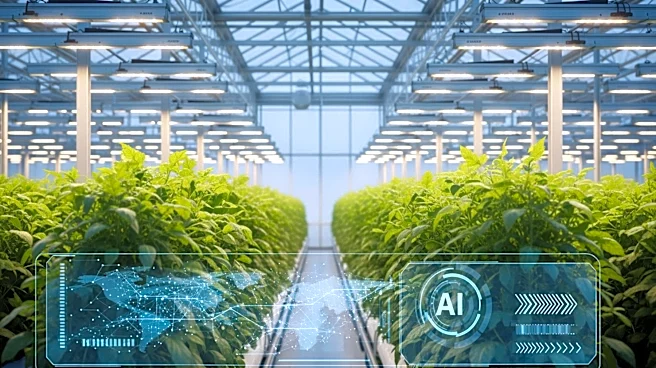
The discussion at the summit also touched on the concept of 'antifragility,' which involves creating systems that not only withstand shocks but also improve as a result of them. This approach requires a shift in mindset from reactive resilience to proactive innovation. The potential for technology to facilitate cross-sector collaboration and innovation was highlighted, with examples such as AI identifying latent intellectual property or matching crops to new regions as climate patterns change. However, the success of such initiatives depends on effective political and institutional support, emphasizing the need for a collaborative approach to future-proofing the food system.