

What's Happening?
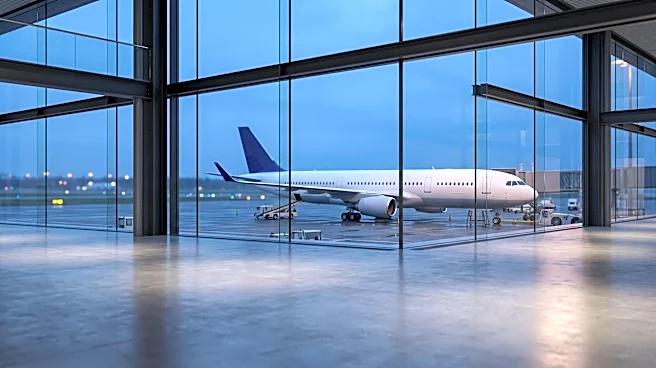
A Delta Air Lines flight, number 1518, en route from Atlanta to Raleigh, North Carolina, was forced to return to Hartsfield-Jackson Atlanta International Airport on Thursday evening. The crew reported a mechanical issue with the plane's right engine.
The aircraft, a Boeing 737-900, landed safely, and all 173 passengers were subsequently accommodated on a new flight. Following the incident, the affected plane was removed from service for inspection and repairs. A spokesperson for the Atlanta-based airline emphasized that the safety of their passengers and personnel is paramount and apologized for the travel disruption experienced by customers.
Why It's Important?
This incident highlights the critical importance of airline safety protocols and the rigorous maintenance standards within the aviation industry. While mechanical issues can occur, the successful and safe return of the aircraft demonstrates the effectiveness of pilot training and emergency procedures. For Delta Air Lines, maintaining a strong safety record is crucial for consumer confidence and brand reputation in a highly competitive sector. Disruptions like these, though managed effectively, can lead to passenger inconvenience and potential financial implications for the airline due to rescheduling and maintenance costs. The incident also underscores the ongoing need for vigilance in aircraft inspections and the swift removal of any potentially compromised equipment from service to prevent more severe outcomes.
What's Next?
The Boeing 737-900 involved in the incident has been removed from service, indicating it will undergo thorough inspection and necessary repairs before being cleared for future flights. Delta Air Lines will likely conduct an internal investigation into the cause of the mechanical issue to prevent recurrence. Passengers from the affected flight have already been placed on a new flight to their destination. As this is a developing story, further updates regarding the specific nature of the engine trouble and the timeline for the aircraft's return to service may be released by Delta or aviation authorities. The Federal Aviation Administration (FAA) may also review the incident as part of its oversight responsibilities.
Beyond the Headlines
Beyond the immediate operational impact, this event subtly reinforces public trust in air travel safety systems. The fact that a mechanical issue was identified and addressed without incident, leading to a safe return and passenger re-accommodation, can serve to reassure travelers about the robustness of airline safety measures. It also brings into focus the continuous, behind-the-scenes work of maintenance crews and air traffic controllers who are integral to ensuring flight safety. While inconvenient for passengers, such events are a testament to the layers of safety checks and rapid response mechanisms in place to mitigate risks in commercial aviation, ultimately contributing to the industry's overall reliability and safety record.