








What's Happening?
The Massachusetts Coalition for Occupational Safety and Health (MassCOSH) has announced a 10-hour OSHA (Occupational Safety and Health Administration) course in construction, specifically offered in Portuguese. This training, scheduled for May 11th and 12th,
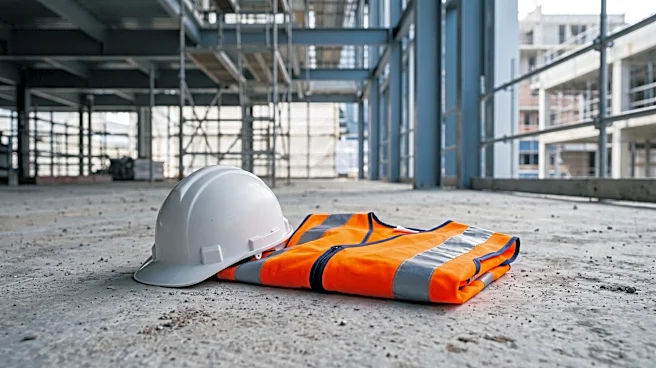
2027, from 11 AM to 5 PM, is designed for entry-level workers in the construction industry. The course will cover essential workplace safety topics, including hazard identification, fall protection, electrical safety, and personal protective equipment (PPE). A key objective of this initiative is to ensure compliance with OSHA standards and the City of Boston's Demolition and Construction Safety Ordinance. Upon completion, each participant will receive an OSHA 10 card and a certificate for their employer. This certification is mandatory for all workers on construction projects funded with public money.
Why It's Important?
This OSHA 10 training in Portuguese is crucial for several reasons. Firstly, it addresses a significant need within the U.S. construction industry, particularly in regions with large Portuguese-speaking populations like Massachusetts, by providing vital safety education in a culturally and linguistically appropriate format. This ensures that all workers, regardless of their primary language, can fully understand and implement critical safety protocols, thereby reducing workplace accidents and injuries. Secondly, it promotes compliance with federal OSHA standards and local ordinances, which is essential for maintaining a safe work environment and avoiding legal penalties for employers. By making this training accessible, MassCOSH helps to level the playing field for immigrant workers, ensuring they have the necessary credentials to work on publicly funded projects and fostering a more inclusive and safer construction sector.
What's Next?
Following the May 2027 training, MassCOSH will continue to offer similar programs, with future dates and languages to be announced. The organization's ongoing efforts will likely focus on expanding the reach of these essential safety trainings to other immigrant communities and ensuring continuous compliance with evolving safety regulations. Employers in the construction sector, especially those involved in publicly funded projects, will need to ensure their workers possess the required OSHA 10 certification. The success of this Portuguese-language initiative may also encourage other organizations to offer specialized training in various languages, further enhancing workplace safety and inclusivity across different industries in the U.S.
Beyond the Headlines
The provision of OSHA 10 training in Portuguese highlights a broader societal and economic implication: the critical role of language access in ensuring workplace safety and equity for immigrant workers in the U.S. Beyond the immediate safety benefits, such initiatives can empower immigrant communities by providing them with the necessary skills and certifications to access better employment opportunities and integrate more fully into the workforce. It also underscores the ethical responsibility of organizations and regulatory bodies to address linguistic barriers in critical areas like occupational safety. This approach can lead to a more diverse and skilled labor force, while also fostering a culture of safety that values all workers, regardless of their background.