







What's Happening?
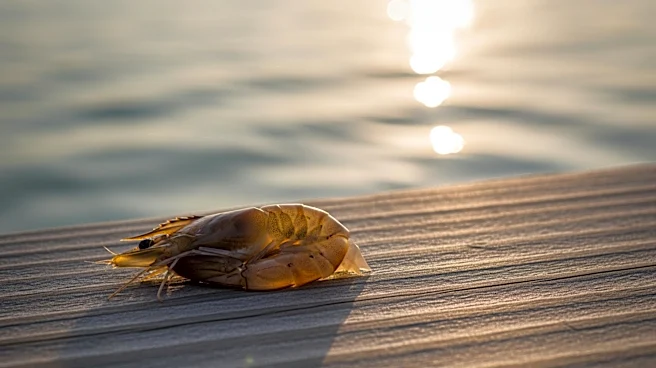
Gulf shrimpers, facing significant economic challenges due to rising fuel costs, are seeking assistance from Congress. Acy Cooper, a veteran shrimper from Port Sulphur, Louisiana, has been forced to take on additional work ferrying oil rig workers to make
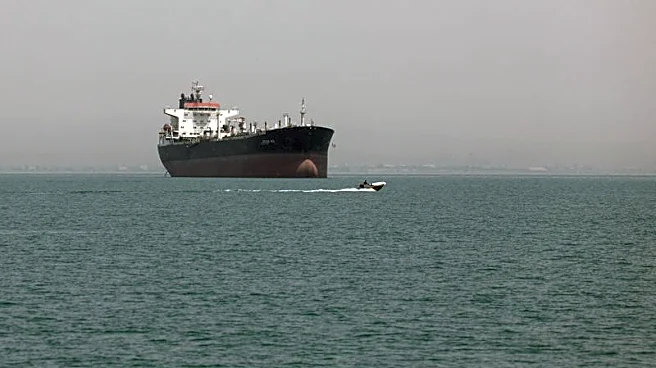
ends meet. The cost of diesel has surged from $3.50 to over $5 per gallon, exacerbated by geopolitical tensions, including the war with Iran and the closure of the Strait of Hormuz. This increase in fuel prices poses a severe threat to shrimpers who already operate on thin margins. The influx of cheaper, imported shrimp has further depressed dockside prices, making it difficult for local shrimpers to compete. The Southern Shrimp Alliance is advocating for legislative measures to prevent U.S. taxpayer dollars from subsidizing foreign shrimp aquaculture, which competes with domestic producers.
Why It's Important?
The plight of Gulf shrimpers highlights broader economic and policy challenges facing the U.S. seafood industry. Rising fuel costs not only threaten the viability of shrimping operations but also impact the broader supply chain and local economies dependent on this industry. The decline in domestic shrimp production, from nearly 30% of the market in 1984 to just 4.5% in 2023, underscores the competitive pressure from imported shrimp. Legislative support could help level the playing field, ensuring the survival of an industry that is integral to the cultural and economic fabric of Gulf communities. The situation also reflects the broader impact of international conflicts on domestic industries, emphasizing the need for strategic policy interventions.
What's Next?
The Save Our Shrimpers Act, which aims to address some of these challenges, has passed the House and is awaiting Senate action. If enacted, it could provide much-needed relief to shrimpers by curbing subsidies for foreign competitors. Additionally, the establishment of the USDA's Office of Seafood may open new avenues for support, similar to those available to land-based farmers. The outcome of these legislative efforts will be crucial in determining the future of the Gulf shrimping industry. Stakeholders, including shrimpers and industry advocates, are likely to continue lobbying for these measures, emphasizing the need for a sustainable and competitive domestic seafood market.