




What's Happening?
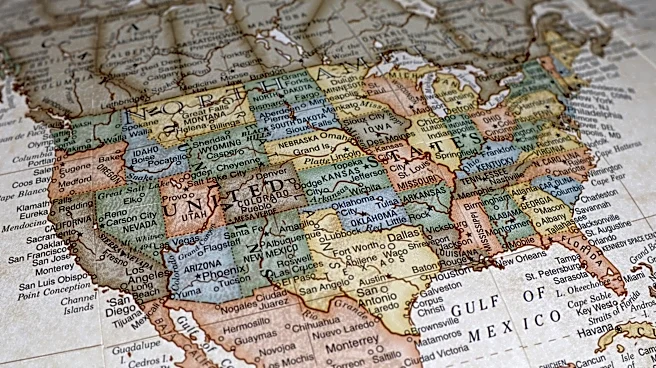
A significant heat wave is affecting parts of the United States, with over 39 million people under heat alerts. The National Weather Service has reported temperatures exceeding 100°F in several areas, with a high of 119°F recorded near Topock, Arizona,
and Tecopa, California. The heat dome, which previously impacted the central and eastern U.S., has shifted westward, intensifying conditions in the Southwest. Extreme heat warnings are in place across six states, including Arizona, California, Nevada, Utah, Oklahoma, and western Arkansas. These warnings are expected to remain through the weekend, with some areas under alert until Monday night. The heat index, which accounts for humidity, could reach 120°F in parts of southern Arizona and South Texas.
Why It's Important?
The ongoing heat wave poses significant health risks, particularly for those without access to adequate cooling or hydration. The National Weather Service warns of increased chances of heat-related illnesses due to prolonged exposure to extreme temperatures and humidity. This situation underscores the importance of public health measures and infrastructure capable of withstanding such extreme weather events. The heat wave also highlights the broader implications of climate change, as such extreme weather patterns become more frequent and severe, affecting millions of people and straining resources.
What's Next?
Relief from the heat wave is anticipated as a strong cold front is expected to bring cooler temperatures to the eastern U.S. by next weekend. This will result in lower humidity and a significant drop in temperatures. However, until then, residents in affected areas are advised to take precautions, such as staying hydrated, avoiding strenuous activities during peak heat, and checking on vulnerable populations. The situation may prompt further discussions on climate resilience and the need for adaptive strategies in urban planning and public health.