


What's Happening?
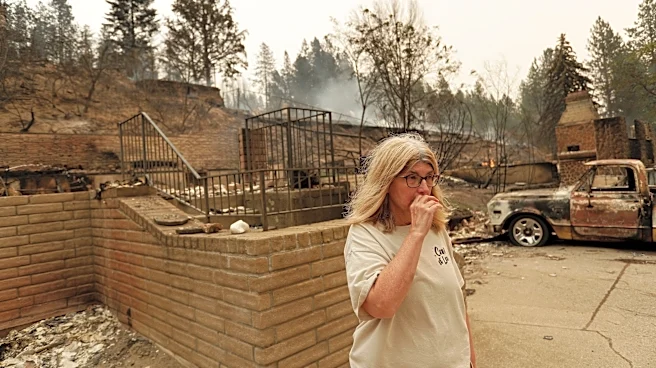
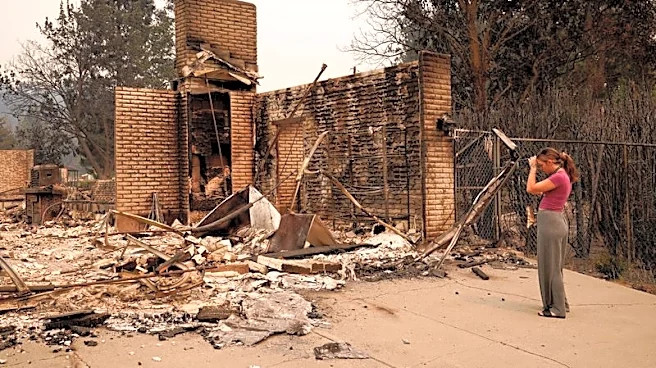
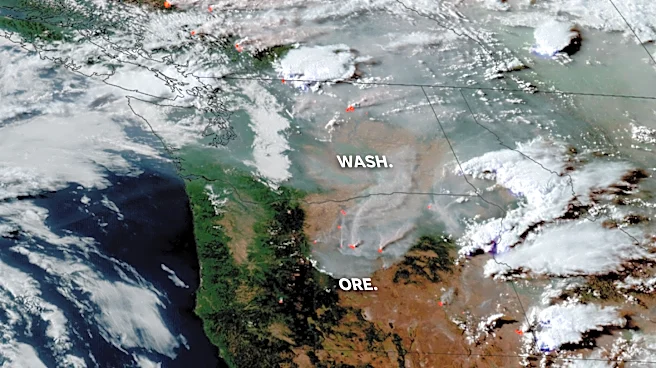
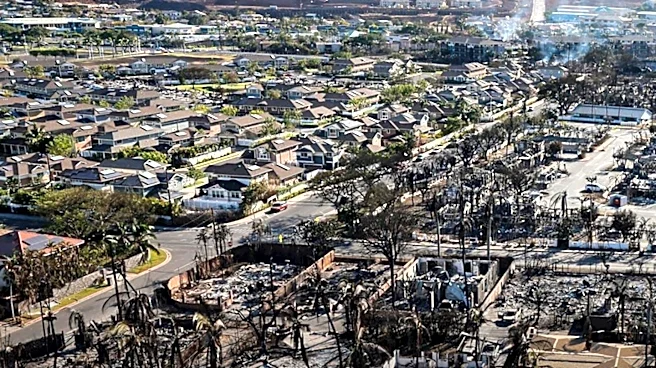
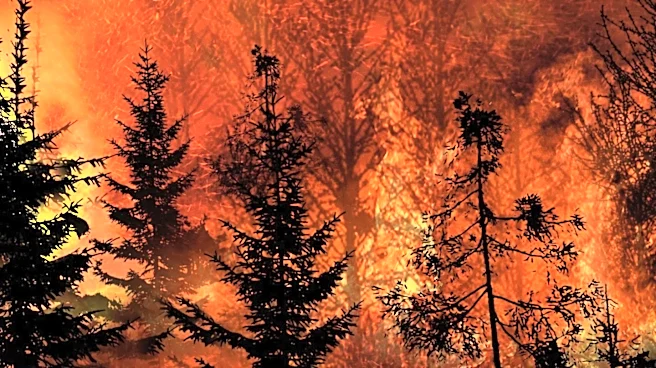
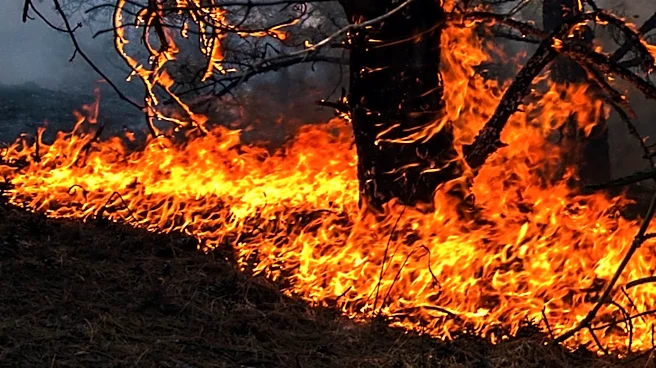
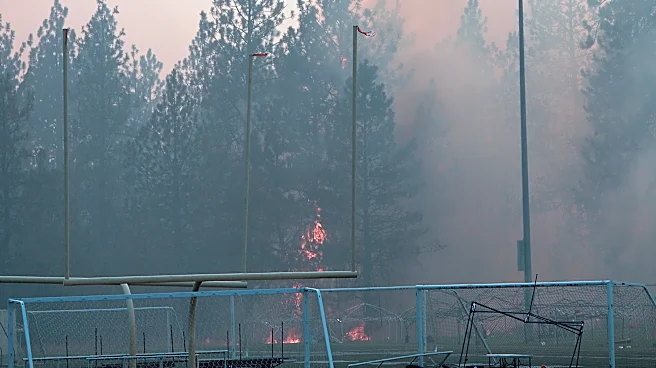
Wildfires in Washington state have led to the destruction of over 600 homes and buildings, primarily in the Spokane area, and have forced 60,000 residents to evacuate. The fires, which have consumed more than 7,000 acres, are being battled by firefighters
from California and as far away as Australia. Despite these efforts, containment has not yet been achieved. The fires are part of a larger pattern of wildfires affecting the Pacific Northwest, exacerbated by drought and high winds. The National Weather Service has issued air quality warnings and red flag fire warnings across several states.
Why It's Important?
The wildfires in Washington represent a significant natural disaster, impacting thousands of residents and causing widespread destruction. The event highlights the increasing frequency and intensity of wildfires in the U.S., driven by climate conditions such as drought and high winds. This situation poses challenges for emergency services and underscores the need for effective disaster preparedness and response strategies. The economic impact is substantial, with potential losses in property and infrastructure, and the fires also pose health risks due to poor air quality.
What's Next?
Efforts to contain the fires will continue, with additional resources likely to be deployed as needed. The situation may prompt discussions on improving fire management practices and addressing the underlying climate factors contributing to such disasters. Residents affected by the fires will need support in terms of shelter and recovery assistance. The broader implications for regional planning and climate policy may also be considered as stakeholders assess the long-term strategies to mitigate such events.