
What's Happening?
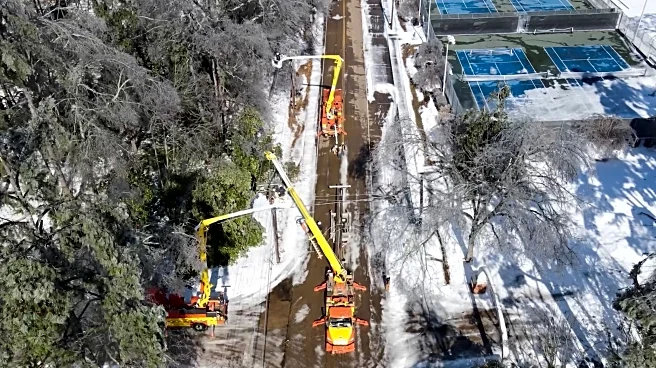
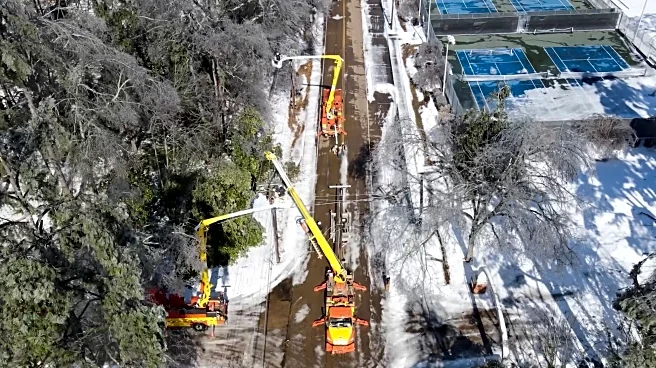
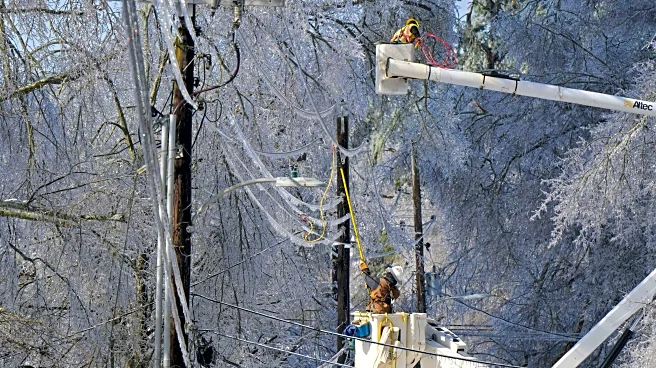
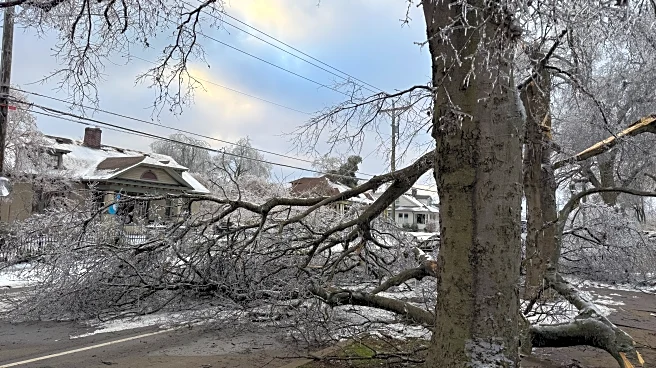
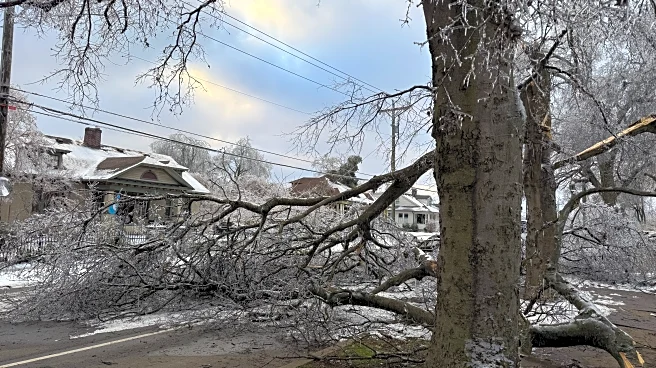
Nashville is grappling with the aftermath of a severe ice storm that has left over 200,000 Nashville Electric Service (NES) customers without power. The situation has been exacerbated by the spread of rumors
and misinformation on social media, particularly claims that NES has refused help from union linemen due to wage disputes. Brent Baker, NES utility operations executive, refuted these claims, stating that the city is actively bringing in more workers as they become available. Despite these efforts, approximately 135,000 homes and businesses remain without electricity, marking the largest outage in NES history. The misinformation has added to the chaos, with some social media accounts falsely claiming to be linemen turned away by the city. Meanwhile, city leaders, including Mayor Freddie O’Connell, are focusing on providing warming shelters and managing the prolonged power outages.
Why It's Important?
The spread of misinformation during a crisis can significantly hinder recovery efforts and exacerbate public frustration. In Nashville, the false claims about NES's handling of the situation have diverted attention from the real challenges of restoring power and ensuring public safety. This incident highlights the critical role of accurate information dissemination in emergency management. The city's response, including the establishment of warming shelters and the emergency declaration, underscores the severity of the situation and the need for coordinated efforts to address the impact of the storm. The misinformation also reflects broader issues of trust and communication between public utilities and the communities they serve.
What's Next?
City officials are continuing to assess the damage and coordinate recovery efforts. The emergency declaration is expected to remain in effect for up to seven days, during which time the city will evaluate progress and adjust strategies as needed. NES and other emergency services are working to restore power as quickly as possible, but the timeline remains uncertain due to the extent of the damage. The city is also encouraging residents to document their experiences and challenges during the storm, which will be crucial for future recovery and planning efforts. As the situation evolves, maintaining clear and accurate communication with the public will be essential to rebuilding trust and ensuring effective recovery.
Beyond the Headlines
The incident in Nashville highlights the broader implications of misinformation in the digital age, particularly during emergencies. The rapid spread of false information can undermine public trust in institutions and complicate crisis management. This situation underscores the need for robust communication strategies and the importance of media literacy among the public. Additionally, the storm has exposed vulnerabilities in Nashville's infrastructure and workforce capacity, pointing to the need for long-term investments in utility staffing and infrastructure resilience to better prepare for future weather events.