



What's Happening?
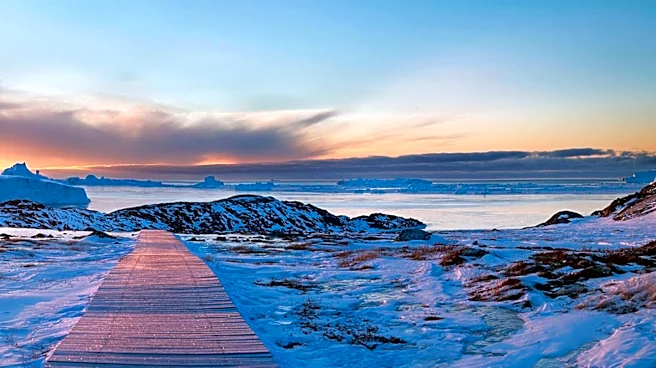
Greenland has been identified as the most expensive travel destination globally for 2026, according to an analysis by travel insurance marketplace Squaremouth. The report, which assessed 50 popular vacation spots, found that travel prices have increased
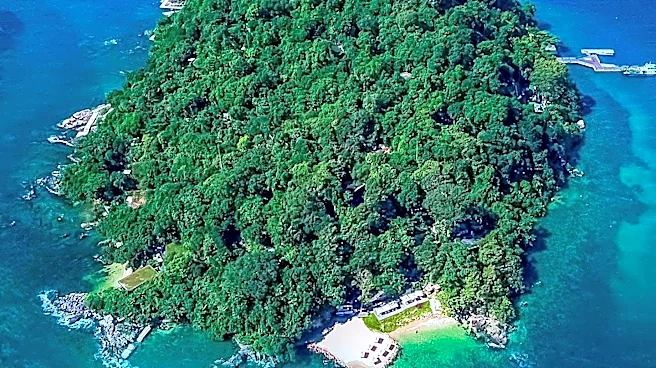
by nearly 10% over the past year. Greenland's top ranking is attributed to high costs across various categories, including an average airfare of $1,357 and daily expenses averaging $1,171. Other destinations with significant price tags include the British Virgin Islands, French Polynesia, and Antarctica. The British Virgin Islands, for instance, sees travelers paying an average of $1,137 per night for accommodations, with daily trip costs around $925. French Polynesia's high ranking is largely due to hotel prices, averaging $1,382 per night. Antarctica, while ranking fourth overall, had the highest average trip cost at $1,511 per day, reflecting the specialized nature of expeditions to the continent. The analysis considered common expenses such as flights, accommodations, rental cars, food, and drinks, along with the average daily cost of insured trips booked by Squaremouth's customers.
Why It's Important?
The rising costs of travel to these 'bucket-list' destinations highlight a broader trend of increasing expenses in the tourism sector, impacting U.S. travelers' vacation planning and budgets. The U.S. Travel Association reports a nearly 10% climb in travel prices over the past year, indicating that even domestic travel is becoming more expensive. For individuals and families in the U.S. dreaming of international getaways, these elevated costs mean that saving for such trips will require more significant financial planning. The report underscores that remote and unique destinations, often considered once-in-a-lifetime experiences, inherently come with higher price tags due to logistical challenges and specialized services. This trend could lead to a shift in travel patterns, with some U.S. travelers opting for more affordable domestic alternatives or delaying international trips. Conversely, the luxury travel market may continue to thrive, as those with disposable income are willing to pay a premium for exclusive experiences in these high-cost locations. The data also provides valuable insights for the travel industry, indicating which destinations command the highest prices and where demand remains strong despite the cost.
What's Next?
As travel prices continue to climb, U.S. travelers may need to adjust their vacation strategies. Financial planning and savings challenges, such as the 52-week savings challenge mentioned in the report, could become more popular methods for funding trips to expensive destinations. The travel industry might see an increased focus on promoting more budget-friendly alternatives or offering flexible payment plans to attract a wider range of customers. For destinations like Greenland, the British Virgin Islands, and French Polynesia, the high costs are unlikely to deter a segment of travelers seeking unique and luxurious experiences. However, these destinations may need to continue justifying their premium pricing through exceptional service and unparalleled experiences. The ongoing increase in travel costs could also prompt discussions within the U.S. travel sector about affordability and accessibility, potentially leading to new travel products or services designed to mitigate these rising expenses. Travelers are advised to research thoroughly and budget meticulously when planning trips to these high-cost locations in 2026 and beyond.
Beyond the Headlines
The phenomenon of 'bucket-list' destinations becoming increasingly expensive reflects a deeper shift in global tourism, where unique and remote experiences are highly valued and command premium prices. This trend raises questions about the sustainability of such high-cost tourism, both for the environment and for local communities in these destinations. While the economic benefits of tourism are clear, the influx of high-spending travelers can also lead to increased living costs for residents and potential environmental strain. The report implicitly highlights the growing disparity in travel accessibility, where only a privileged few can afford to visit the world's most sought-after locations. This could lead to a more exclusive and less diverse global travel landscape. Furthermore, the emphasis on 'once-in-a-lifetime' trips suggests a consumer desire for unique, Instagrammable experiences, which in turn drives up demand and prices. The long-term implications could include a re-evaluation of what constitutes 'value' in travel, with a potential shift towards more meaningful, sustainable, and locally-focused experiences, even if they are less glamorous or remote.