







What's Happening?
On May Day, also known as International Workers' Day, demonstrators across Michigan participated in marches to advocate for immigrant protections. The event in Grand Rapids was organized by Movimiento Cosecha and focused on supporting immigrant workers
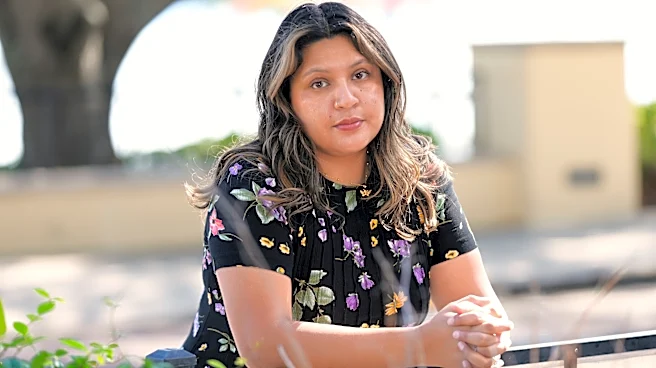
and families impacted by enforcement actions under the Trump administration. Gema Lowe, one of the organizers, highlighted the plight of immigrants performing essential jobs without receiving due recognition. She emphasized the adverse effects of arrests by Immigration and Customs Enforcement (ICE) and the unlawful detention of individuals at the North Lake Processing Center, as ruled by federal judges. A separate march in Detroit was also planned, with the theme 'workers over billionaires,' underscoring the broader call for economic justice.
Why It's Important?
The May Day marches in Michigan reflect ongoing tensions surrounding immigration policies and enforcement in the United States. The actions of ICE and the conditions at detention facilities have been contentious issues, drawing criticism from human rights advocates and legal experts. The unlawful detention of immigrants raises significant concerns about due process and civil liberties, impacting the lives of many families. These demonstrations highlight the demand for policy reforms that protect immigrant rights and ensure fair treatment. The events also underscore the broader struggle for workers' rights and economic equity, resonating with national debates on labor and immigration policies.
What's Next?
The marches in Michigan are part of a larger movement advocating for comprehensive immigration reform and improved labor conditions. As public awareness and activism grow, there may be increased pressure on policymakers to address these issues. Potential legislative actions could include revisiting immigration enforcement practices and ensuring compliance with legal standards in detention facilities. The outcome of these efforts could significantly influence the political landscape, particularly in states with large immigrant populations. Continued advocacy and public demonstrations are likely as stakeholders push for meaningful changes in immigration and labor policies.