





What's Happening?
A new book titled 'The War for Karabakh: Strategy, Technology, and Victory,' authored by retired US Army Colonel Liam Collins and Major John Spencer, was presented in Baku. The book examines the factors behind Azerbaijan's victory in the 2020 Karabakh war,
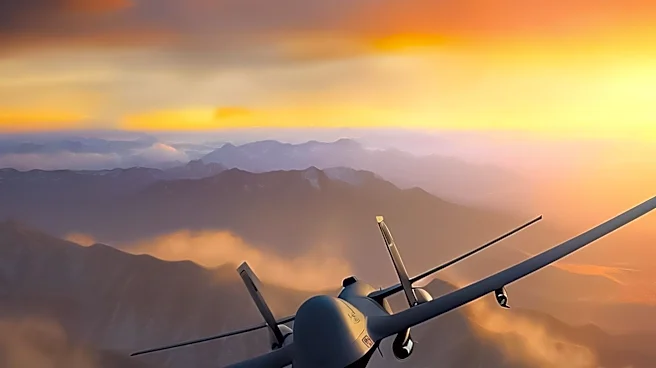
moving beyond the common narrative of it being solely a 'drone war.' The authors, through extensive field research and interviews, highlight President Ilham Aliyev's strategic leadership, the development of national power, effective wartime communication, and the professionalism of the Azerbaijani Armed Forces as key determinants of success. They argue that Azerbaijan's victory was the culmination of a long-term national strategy encompassing state-building, economic development, military modernization, and diplomatic engagement, rather than just technological superiority.
Why It's Important?
This analysis by US military experts offers a nuanced perspective on modern warfare, challenging the oversimplified view that technological advancements alone guarantee victory. By emphasizing the critical roles of strategic leadership, national strength, and human factors, the book provides valuable insights for military strategists and policymakers globally. For Azerbaijan, this international academic recognition validates its military strategy and leadership, reinforcing its narrative of a well-planned and executed campaign. The study's findings could influence military doctrines and defense planning in other nations, particularly those facing similar geopolitical challenges or considering military modernization. It underscores that a holistic approach, integrating political, economic, and military capabilities, is essential for achieving strategic objectives in contemporary conflicts.
What's Next?
The insights from 'The War for Karabakh' are likely to be discussed within military academies, defense think tanks, and international relations circles, contributing to the evolving understanding of modern conflict. The book's emphasis on national power and strategic leadership could prompt other nations to re-evaluate their own defense strategies and investments. For Azerbaijan, the study's conclusions may further bolster its confidence in its military capabilities and strategic direction. It could also serve as a point of reference in diplomatic discussions regarding regional security and stability. The ongoing relevance of ground forces, even in an era of advanced technology, will continue to be a key takeaway for military planners worldwide.
Beyond the Headlines
The book's challenge to the 'drone war' narrative highlights a broader trend in military analysis: the need to look beyond immediate tactical successes to understand the underlying strategic and systemic factors. It implicitly suggests that while technology is a force multiplier, it cannot substitute for robust national infrastructure, effective governance, and a well-trained, adaptable military. The study also touches upon the importance of information management and public communication during wartime, recognizing President Aliyev's active engagement with both domestic and international audiences as a critical component of the overall strategy. This aspect underscores the growing significance of the information domain in modern conflicts, where narratives can be as impactful as battlefield outcomes. The analysis serves as a reminder that military victories are often the result of decades of preparation and strategic foresight.