



What's Happening?
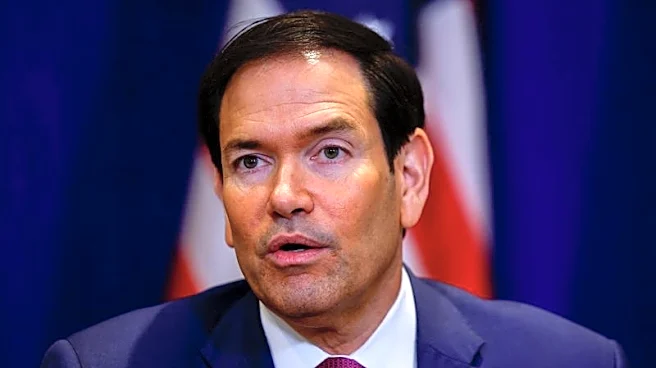
President Trump's Secretary of State, Marco Rubio, has extended an invitation to the Russian leader to attend the G20 summit in Florida in December. This announcement followed a meeting between Rubio and Russian Foreign Minister Sergei Lavrov on the sidelines
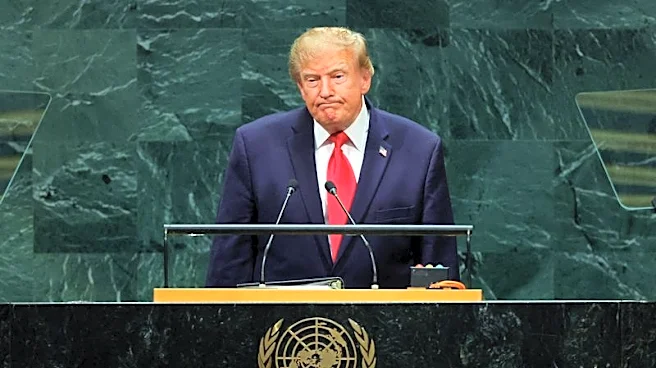
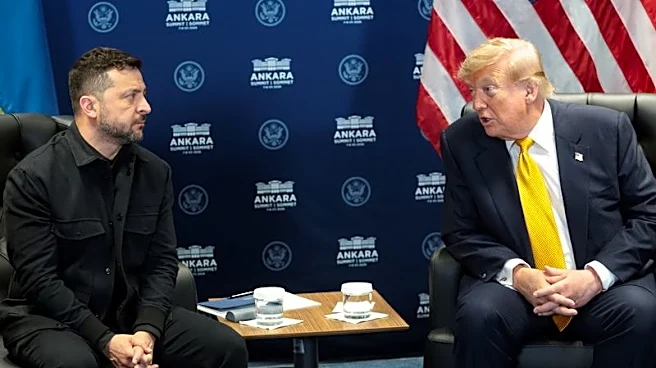
of the UN General Assembly. The invitation has been met with significant international attention, particularly given the ongoing conflict between Russia and Ukraine. Lavrov's visible satisfaction in video clips suggests Russia views this as a diplomatic victory. The summit is scheduled to take place at Trump National Doral, President Trump's private golf club, a decision that has previously raised ethical concerns. Ukrainian President Volodymyr Zelensky has indicated he might also attend the summit, viewing it as a potential opportunity for direct negotiations with the Russian leader, though it remains unclear if President Trump will extend an invitation to Zelensky, as Ukraine is not a G20 member. The Kremlin has not yet confirmed the Russian leader's attendance, stating it is 'too early' to arrange lower-level meetings between Russian and Ukrainian officials.
Why It's Important?
This invitation carries significant geopolitical implications, potentially reshaping international diplomatic dynamics. For Russia, it represents a substantial win, offering a platform for the Russian leader to engage with world leaders despite an existing International Criminal Court arrest warrant for war crimes related to the conflict in Ukraine. This could be perceived as a legitimization of Russia's actions on the global stage, undermining efforts by Western allies to isolate the country. For President Trump, the move could be an attempt to position himself as a peacemaking statesman, particularly after perceived shortcomings in his efforts regarding Iran. However, it risks alienating key European allies who have been staunch supporters of Ukraine and are eager to realign U.S. foreign policy with Kyiv's interests. The choice of Trump National Doral as the venue also raises ethical questions about potential conflicts of interest, despite President Trump's claims that his family's business will not profit from the event. The potential presence of both the Russian and Ukrainian leaders at the summit could lead to a highly charged diplomatic environment, with uncertain outcomes for the ongoing conflict.
What's Next?
The immediate next steps involve the Russian leader's decision on whether to accept the G20 invitation. Should he accept, the focus will shift to the potential for direct engagement with President Trump and other world leaders. The possibility of Ukrainian President Zelensky also attending adds another layer of complexity, potentially setting the stage for a direct, high-stakes encounter between the two leaders. However, President Trump has not yet confirmed an invitation for Zelensky, and the Russian leader's willingness to attend if Zelensky is present is unknown. International reactions from European allies and other G20 members will be closely watched, as they may express concerns or even boycott certain aspects of the summit if the Russian leader attends. Discussions will likely intensify regarding the ethical implications of hosting a major international summit at a private property owned by the sitting U.S. President. The outcome of any potential negotiations or interactions at the G20 could significantly influence the trajectory of the conflict in Ukraine and broader international relations.
Beyond the Headlines
The invitation to the Russian leader extends beyond immediate diplomatic maneuvers, touching upon deeper questions of international accountability and the role of personal diplomacy in global affairs. The existing International Criminal Court warrant against the Russian leader highlights a tension between legal principles and political pragmatism. By extending an invitation, the U.S. administration could be seen as prioritizing dialogue over legal sanctions, potentially setting a precedent for how international bodies and war crimes are addressed in future conflicts. Furthermore, President Trump's consistent 'warmth' towards the Russian leader, as noted in the source, raises questions about the underlying motivations and long-term strategic implications for U.S. foreign policy. The choice of a private venue for the G20 summit also underscores a growing trend of blurring lines between public office and private business interests, prompting broader discussions about transparency, ethics, and the potential for undue influence in international diplomacy. This event could also serve as a critical test of the unity and resolve of Western alliances in the face of perceived U.S. unilateralism.