








What's Happening?
An international research team, led by Dr. Thole H. Hoppen and Professor Nexhmedin Morina from the Institute of Psychology at the University of Münster, conducted the first meta-analysis of its kind on the potential risks of psychotherapeutic treatment
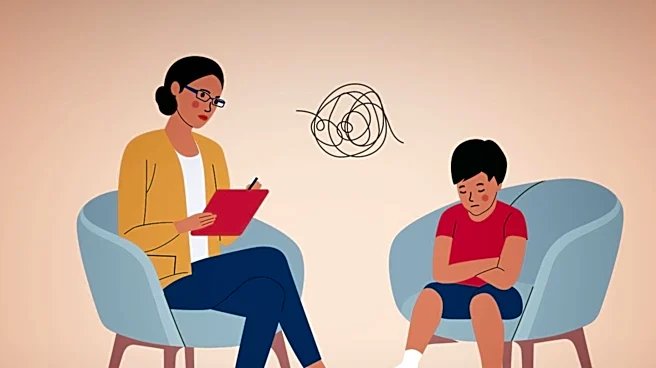
for Post-Traumatic Stress Disorder (PTSD) in children and adolescents. The study, published in the Journal of Child Psychology and Psychiatry, evaluated 71 studies and data from over 5,600 children and adolescents. Their clear conclusion is that unwanted side effects of psychotherapy for PTSD in this demographic are rare. Less than 0.01% of children and adolescents reported symptom deterioration after treatment, and adverse events during psychological treatments occurred in only 0.29% of patients. This research addresses a long-standing gap in the understanding of psychotherapy's safety profile, which has often been overlooked compared to medication side effects.
Why It's Important?
This meta-analysis is significant for U.S. healthcare and mental health policy, particularly concerning pediatric PTSD treatment. The findings provide strong evidence to reassure parents, guardians, and healthcare providers about the safety of psychotherapy, especially trauma-focused cognitive behavioral therapy, for children and adolescents. Historically, concerns about direct confrontation with traumatic memories have created a barrier to treatment, leading some to avoid necessary psychological interventions. By demonstrating the rarity of negative side effects, this study can help reduce stigma and encourage earlier and more widespread adoption of effective psychotherapeutic approaches. This could lead to improved long-term outcomes for young individuals suffering from PTSD, potentially reducing the chronicity of the disorder and alleviating the burden on the healthcare system.
What's Next?
The researchers hope their findings will encourage both affected individuals and their relatives to seek psychotherapeutic treatment, including trauma-focused methods, and for therapists to offer these treatments more readily. The study suggests that delaying or avoiding treatment for PTSD, especially in childhood and adolescence, can have negative consequences. Future efforts may focus on disseminating these findings to a broader audience of healthcare professionals and the public to overcome existing reservations. This could lead to updated clinical guidelines and increased access to trauma-focused therapies for young people in the U.S., potentially fostering a more proactive approach to mental health intervention for PTSD.
Beyond the Headlines
Beyond the immediate clinical implications, this study highlights a broader issue in mental healthcare research: the historical neglect of systematically evaluating the side effects of psychotherapy. While medication trials routinely detail adverse effects, psychological interventions have often lacked similar rigorous safety assessments. This research sets a precedent for more comprehensive evaluations of therapeutic modalities, fostering greater transparency and trust in mental health treatments. It also underscores the ethical imperative to provide evidence-based information to patients and their families, empowering them to make informed decisions about their care. The findings could also influence insurance coverage policies, potentially leading to greater reimbursement for psychotherapeutic services as their safety and efficacy are further substantiated.