






What's Happening?
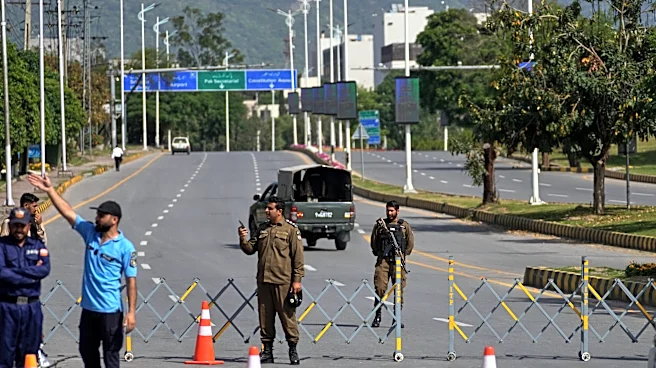
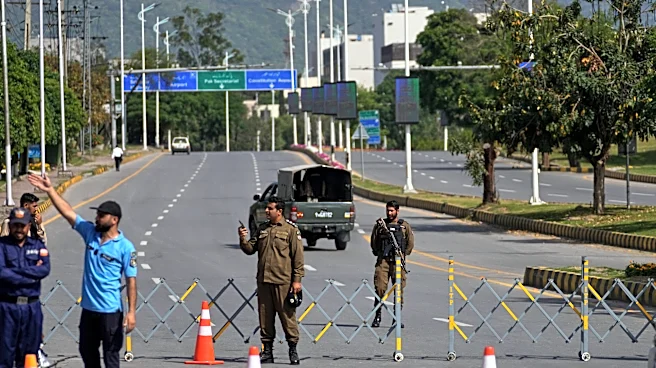
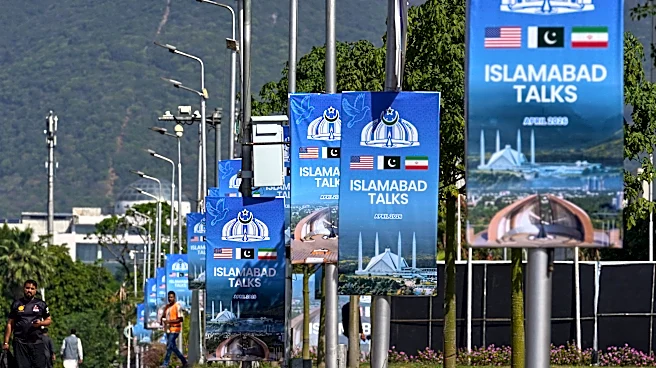
President Trump has announced an indefinite extension of the ceasefire with Iran, which was initially set to expire. This decision comes as a result of a request from Pakistan, which has been mediating peace talks between the U.S. and Iran. The extension aims
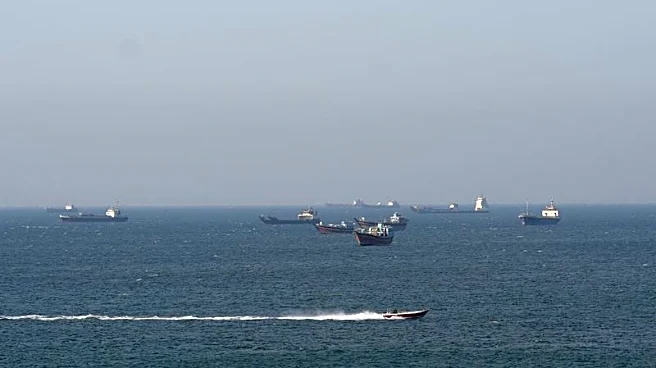
to provide more time for both countries to develop a unified proposal for peace. The ceasefire was originally established following the conflict initiated by the U.S. and Israel against Iran on February 28. The situation remains tense, with Iran having largely blocked the Strait of Hormuz, a critical passage for global oil supply, in response to the U.S. naval blockade of Iranian ports. The blockade and the closure of the strait have significantly impacted the global economy, particularly in terms of oil and gas supply.
Why It's Important?
The extension of the ceasefire is crucial as it provides a window for diplomatic efforts to prevent further escalation of conflict in the Middle East. The Strait of Hormuz is a vital conduit for oil and gas, and its closure has deprived the world of 20 million barrels of oil daily, causing economic disruptions. The ongoing negotiations are pivotal for stabilizing oil prices and preventing further market shocks. Additionally, the talks are significant for addressing the contentious issue of Iran's nuclear program, which remains a major point of contention. The outcome of these negotiations could have far-reaching implications for international relations and regional stability.
What's Next?
The next steps involve continued diplomatic engagement between the U.S. and Iran, with Pakistan playing a mediating role. Both countries are expected to work towards a comprehensive proposal that addresses key issues such as the nuclear program and the lifting of sanctions. The international community will be closely monitoring the situation, as the resolution of this conflict could lead to a reopening of the Strait of Hormuz and a stabilization of global oil markets. However, the potential for renewed hostilities remains if negotiations fail to yield a satisfactory agreement for both parties.