




What's Happening?
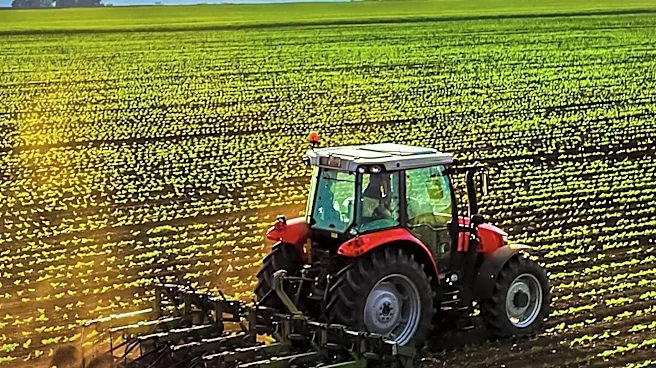
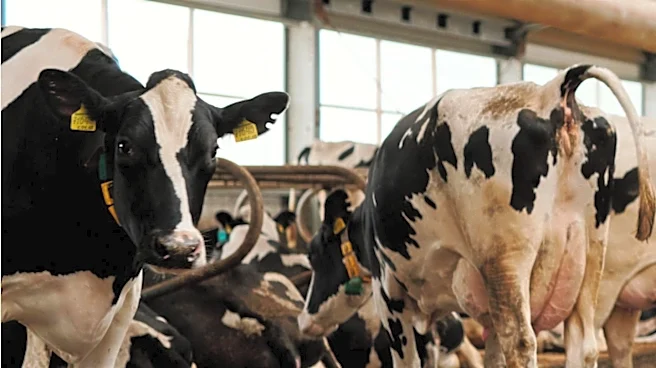
The global factory farming industry has expanded significantly, adding 33 billion animals over the past two decades. This growth is driven by increasing demand for meat and dairy products, leading to a 50% rise in livestock and poultry numbers. The expansion
has strained natural resources, with vast amounts of land and water dedicated to animal feed production. Environmental impacts include increased greenhouse gas emissions and marine dead zones caused by fertilizer runoff. Activists are calling for a shift away from meat-heavy diets and urging public development banks to stop financing industrial agriculture.
Why It's Important?
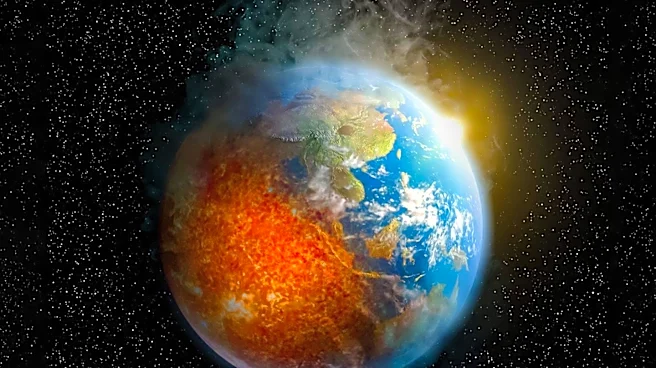
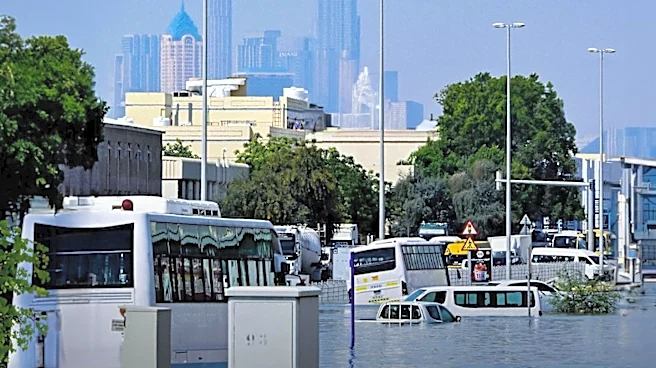
The rapid growth of factory farming poses significant environmental challenges, contributing to climate change, biodiversity loss, and resource depletion. The industry's expansion highlights the need for sustainable agricultural practices and dietary shifts to reduce environmental impacts. Public development banks play a crucial role in financing agricultural projects, and their investment decisions can influence the industry's direction. A move towards sustainable agriculture could mitigate environmental damage and promote food security, but requires coordinated efforts from governments, financial institutions, and consumers.
What's Next?
Activists will continue to advocate for changes in investment policies to support sustainable agriculture. Public development banks may face increased pressure to align their financial flows with environmental goals. The industry could see a gradual shift towards plant-based diets and alternative protein sources as awareness of environmental impacts grows. Policymakers may introduce regulations to limit the environmental footprint of factory farming, while consumers could drive demand for more sustainable food options.