
What's Happening?
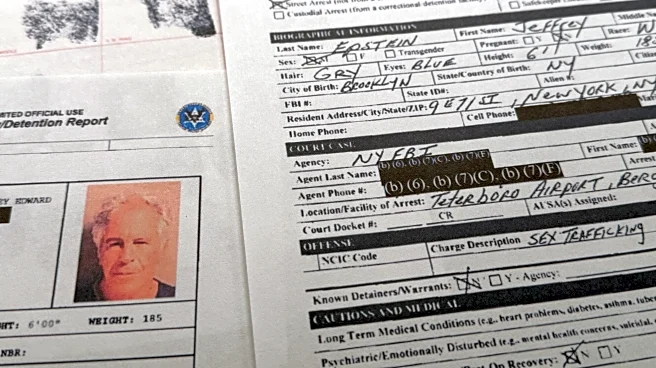
The Justice Department has released thousands of files related to Jeffrey Epstein, following the Epstein Files Transparency Act. This act mandates the release of nearly all Epstein-related documents within
30 days. The files include images and documents from Epstein's properties and investigations, with some redactions to protect victims' identities. The release has been criticized by Congressional Democrats for being incomplete and heavily redacted. The files are available on the Justice Department's website and CBS News' database. The release is part of a broader push for transparency following Epstein's death and the conviction of his associate, Ghislaine Maxwell.
Why It's Important?
The release of these files is a significant step towards transparency in the Epstein case, which has been shrouded in controversy and conspiracy theories. The documents could provide insights into Epstein's operations and his connections with high-profile individuals. This transparency is crucial for the survivors seeking justice and for public accountability. The release also highlights the challenges in balancing transparency with privacy and legal protections for victims. The ongoing scrutiny of the Justice Department's handling of the case underscores the public's demand for accountability in high-profile criminal investigations.
What's Next?
The Justice Department plans to release more files in the coming weeks, despite missing the initial deadline. This ongoing release will likely continue to draw public and political attention. Congressional oversight may increase, with potential legal actions from lawmakers dissatisfied with the current level of transparency. The public and media will continue to analyze the released documents for new information. The case remains a focal point for discussions on legal transparency and the handling of high-profile criminal cases.