






What's Happening?
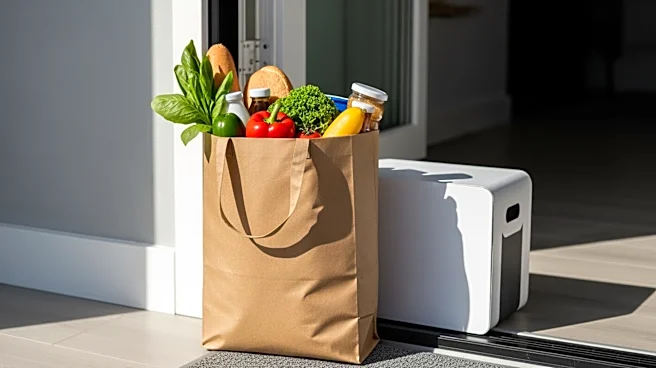
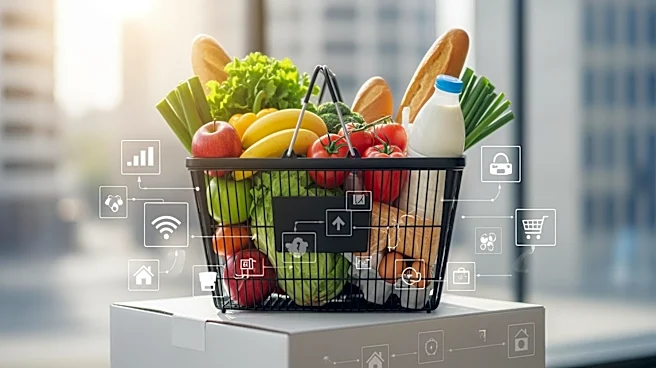
Tops Friendly Markets has announced a new initiative allowing customers to use Supplemental Nutrition Assistance Program (SNAP) benefits for grocery delivery through DoorDash. This development aims to enhance food accessibility for families who rely on SNAP,
enabling them to purchase groceries without needing to visit a physical store. Tops, which operates 151 stores across New York, Pennsylvania, and Vermont, joins other major retailers like ALDI, Dollar General, and Safeway in offering this service. SNAP, the largest food assistance program in the U.S., supports approximately 40 million Americans by providing monthly benefits via electronic benefit transfer (EBT) cards. These benefits can now be used to shop for eligible items directly on the DoorDash platform, where customers can fill a virtual cart and pay using their EBT card.
Why It's Important?
This initiative is significant as it reflects a broader trend of integrating SNAP benefits with online shopping platforms, thereby increasing accessibility to essential groceries for low-income families. By partnering with DoorDash, Tops is addressing the evolving consumer habits and the growing demand for online shopping options. This move not only supports SNAP recipients by providing them with more convenient access to fresh and healthy food but also aligns with the company's commitment to community support. The expansion of SNAP benefits to include delivery services could potentially lead to increased participation in the program, thereby improving food security for millions of Americans.
What's Next?
As more grocery chains adopt similar models, the integration of SNAP benefits with online delivery services is likely to expand further. This could prompt other retailers to enhance their digital platforms and delivery options to remain competitive. Additionally, the success of such initiatives may encourage policymakers to consider further innovations in food assistance programs, potentially leading to more comprehensive support systems for low-income households. Stakeholders, including government agencies and community organizations, may also explore partnerships to maximize the reach and impact of these services.