







What's Happening?
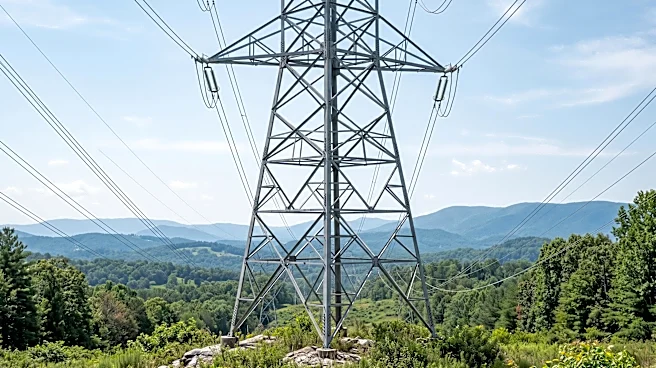
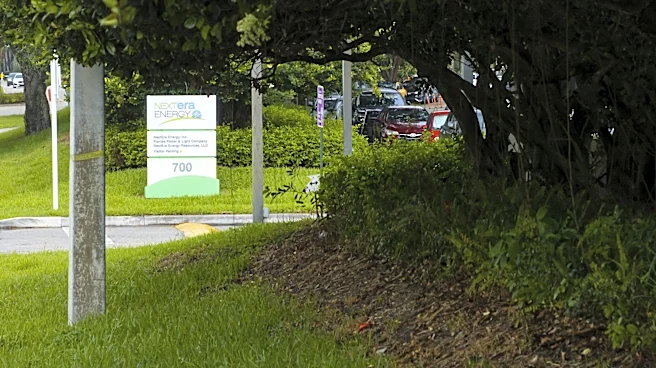
A regulatory hearing before the West Virginia Public Service Commission (PSC) for NextEra Energy's proposed 107.5-mile MidAtlantic Resiliency Link (MARL) transmission line concluded two days ahead of its scheduled six-day duration. The project, which
would span from Pennsylvania through West Virginia to Virginia, has faced significant opposition from landowners and local groups. NextEra Energy had applied on January 30 to construct the 500-kilovolt (kV) line. Public comment sessions were held in June across the four affected West Virginia counties: Monongalia, Preston, Mineral, and Hampshire. Anthony Campbell, president of West Virginians Against Transmission Injustice (WATI), a grassroots organization, stated that the process moved faster than anticipated because NextEra declined to question most private intervenors, and the PSC accepted their written testimony. Campbell expressed optimism about the outcome, noting that commissioners asked NextEra and PJM tough questions. The PSC is expected to issue its decision by March 6, 2027.
Why It's Important?
This early conclusion of the regulatory hearing highlights the complexities and public scrutiny surrounding large-scale energy infrastructure projects in the U.S. The MidAtlantic Resiliency Link is intended to enhance grid reliability and meet growing electricity demands across multiple states. However, local opposition, as voiced by groups like WATI, underscores concerns about the project's impact on private property, agricultural land, and the financial burden on West Virginia residents who, according to opponents, would pay for the line without receiving direct benefits or tax revenue. The expedited hearing process, particularly NextEra's decision not to cross-examine many private intervenors, could be interpreted in various ways, from a strategic move to streamline proceedings to an acknowledgment of the strength of local testimony. The outcome will set a precedent for how future interstate transmission projects navigate local opposition and regulatory review, potentially influencing the balance between national energy needs and local community interests.
What's Next?
The West Virginia Public Service Commission is scheduled to deliver its decision on NextEra Energy's MidAtlantic Resiliency Link project by March 6, 2027. This decision will determine the future of the 107.5-mile transmission line, impacting landowners, local communities, and the broader energy infrastructure in the mid-Atlantic region. Regardless of the PSC's ruling, the project's trajectory could face further challenges, including potential legal actions from either NextEra Energy or opposing groups, depending on the outcome. The Pennsylvania Public Utility Commission (PUC) is also holding separate public input hearings in November regarding NextEra's application to operate as a public utility in Pennsylvania for portions of the MARL Project. These parallel regulatory processes underscore the multi-jurisdictional nature of such projects and the numerous hurdles they must clear before construction can begin.
Beyond the Headlines
The debate surrounding the MidAtlantic Resiliency Link project extends beyond immediate regulatory approvals, touching upon fundamental issues of eminent domain, environmental justice, and the equitable distribution of costs and benefits from large infrastructure developments. The concerns raised by West Virginia landowners about losing access to farmland and bearing project costs without direct local benefit reflect a broader national tension between energy development and community rights. The project also highlights the increasing demand for resilient energy grids, driven by factors such as data center growth and the integration of renewable energy sources, which often require extensive transmission infrastructure. The way regulatory bodies balance these competing interests—national energy security versus local impacts—will shape future energy policy and potentially lead to new frameworks for community engagement and compensation in infrastructure projects.