


What's Happening?
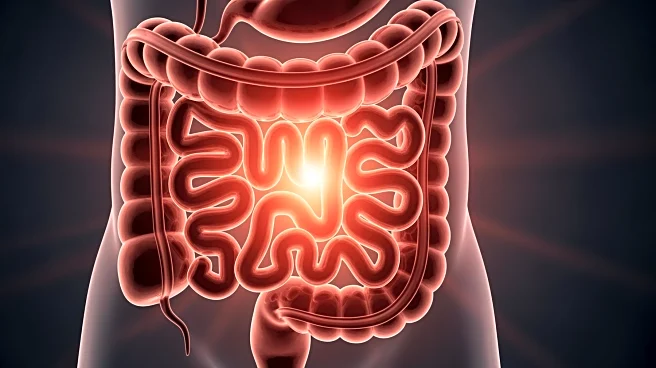
Recent research has highlighted the role of visceral adipose tissue (VAT) in colorectal cancer (CRC) progression and immune evasion. The study by Wang et al. focused on the tumor-associated VAT (tVAT) and its impact on anti-tumor immunity. The researchers
discovered that CXCL12-CXCR4 signaling, which affects T cell recruitment, is significantly elevated in tVAT compared to other tissues. This signaling pathway appears to facilitate the recruitment of cytotoxic CD8+ T cells into the tVAT, potentially hindering effective immune responses against the tumor.
Why It's Important?
Understanding the interaction between adipose tissue and tumor immunity is crucial for developing more effective cancer treatments. The findings suggest that targeting the CXCL12-CXCR4 signaling pathway could enhance the efficacy of immunotherapies for colorectal cancer. This research provides a new perspective on how the tumor microenvironment, particularly adipose tissue, can influence cancer progression and treatment outcomes. It opens avenues for novel therapeutic strategies that could improve patient prognosis and survival rates.
What's Next?
Future research may focus on developing therapies that specifically target the CXCL12-CXCR4 signaling pathway to improve immune cell infiltration and anti-tumor responses. Clinical trials could be designed to test the efficacy of such treatments in colorectal cancer patients. Additionally, further studies are needed to explore the broader implications of adipose tissue in other cancer types and its potential as a therapeutic target.