








What's Happening?
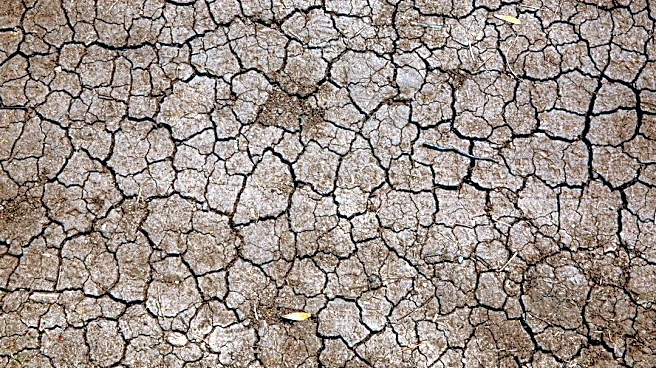
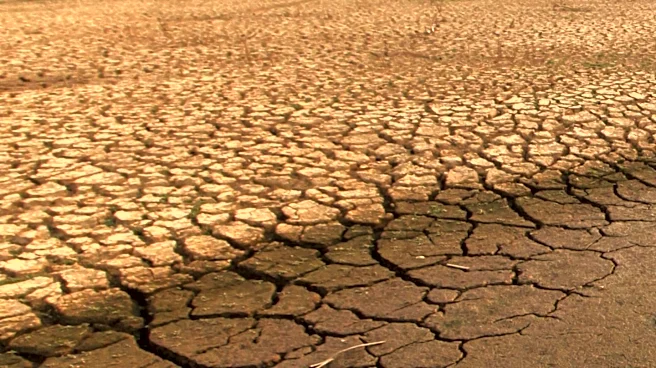
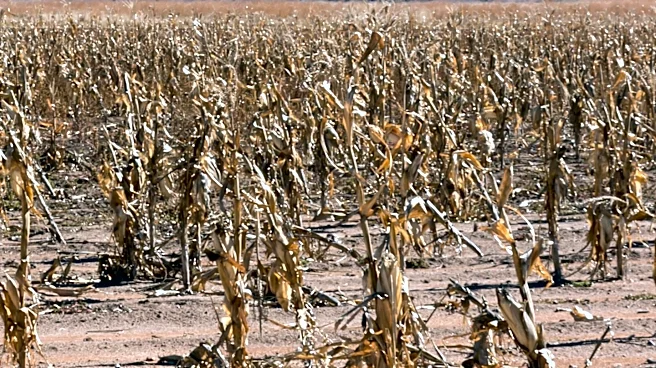
Northern Ethiopia, particularly the Tigray region, is experiencing a deepening food crisis due to severe drought conditions. Farmers like Taemo Hadish in Raya Zebo report that their cattle are too weak to move due to lack of fodder, and farmlands have
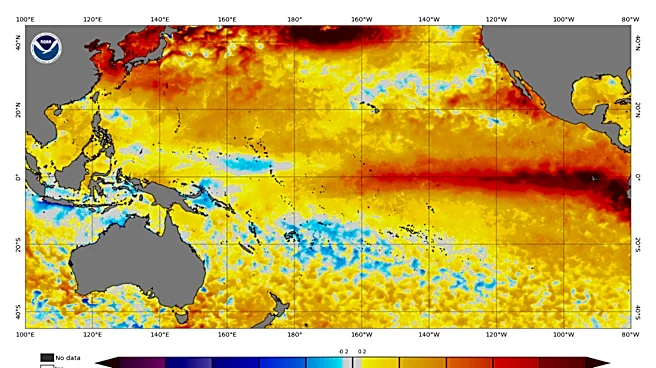
failed to yield crops because of prolonged absence of rain. The UN Food and Agriculture Organization (FAO) has warned of below-average rainfall during the June-September rainy season, influenced by El Niño conditions. This environmental challenge is compounded by conflict-related disruptions to farming seasons, leaving 21 woredas in Tigray at high risk of severe food insecurity. Approximately 2.45 million people are in urgent need of emergency food assistance. A July FAO report indicated that over 18,000 livestock have died in Yaqer locality, Afar region, due to water and fodder shortages. Farmers and local officials in Tigray are struggling with delayed rains, while some areas that did receive rainfall have suffered from heavy hailstorms and flooding. The Ethiopian Meteorology Institute's May forecast predicted below-average rainfall for parts of southern and eastern Tigray, North and South Wollo, Afar, and eastern Ethiopia, with dry conditions expected in northern and eastern regions in August.
Why It's Important?
The escalating food crisis in northern Ethiopia poses a significant humanitarian challenge, threatening the lives and livelihoods of millions. The widespread death of livestock, a primary asset for many farming communities, and the failure of crops directly impact food availability and economic stability in the affected regions. This situation could lead to increased displacement as people seek food and water, further straining resources in other areas. The combination of natural disaster (drought) and ongoing conflict-related disruptions creates a complex emergency, making humanitarian aid delivery more difficult and less effective. The long-term consequences include potential for increased malnutrition, particularly among vulnerable populations like children, and a breakdown of agricultural systems that will take years to recover, even if rainfall patterns normalize. The crisis also highlights the vulnerability of agricultural economies to climate change and the critical need for resilient farming practices and robust disaster preparedness mechanisms.
What's Next?
The immediate future for northern Ethiopia points to a continued struggle against severe food insecurity. Humanitarian organizations will likely face increasing pressure to provide emergency food aid, water, and fodder, but their efforts may be hampered by logistical challenges and ongoing instability. The UN FAO's warnings suggest that the situation could worsen if the predicted below-average rainfall persists, potentially leading to a more widespread famine. Local authorities and international bodies will need to coordinate efforts to deliver aid effectively and implement long-term solutions for water management and agricultural resilience. Without significant intervention, the region could see a further increase in mortality rates, internal displacement, and social unrest. Monitoring weather patterns and providing early warnings will be crucial for mitigating the impact of future droughts, but immediate relief remains the most pressing need.
Beyond the Headlines
The food crisis in northern Ethiopia extends beyond immediate hunger, revealing deeper systemic issues. The region's vulnerability is exacerbated by the lingering effects of past conflicts, which have disrupted agricultural cycles, displaced populations, and weakened infrastructure. This makes communities less resilient to climate shocks like drought. The reliance on rain-fed agriculture in many parts of Ethiopia means that climate change, with its unpredictable weather patterns, poses an existential threat to food security. The crisis also underscores the complex interplay between environmental degradation, conflict, and humanitarian crises, creating a cycle of vulnerability. Addressing this requires not only emergency aid but also sustainable development initiatives, peacebuilding efforts, and climate adaptation strategies to build long-term resilience. The international community's response will be critical in determining whether the region can break free from this cycle of recurring crises.