


What's Happening?
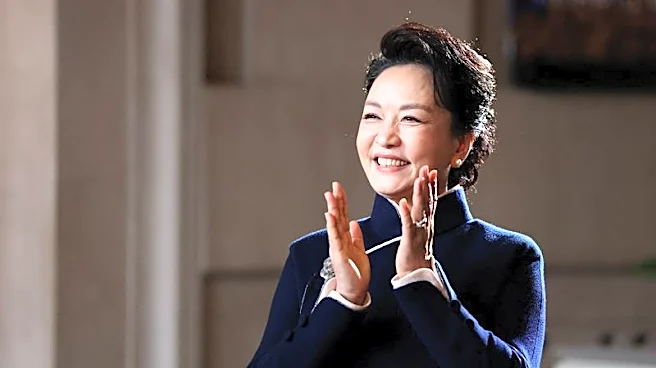
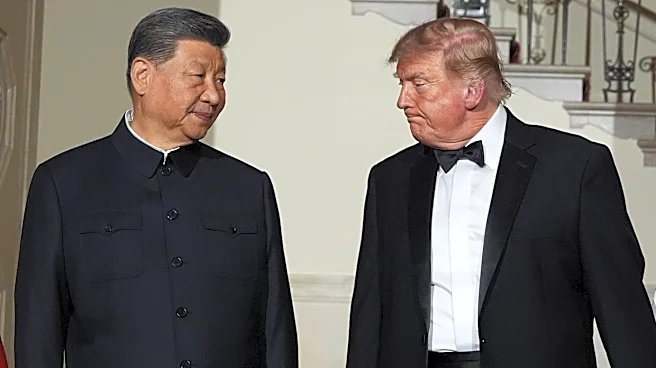
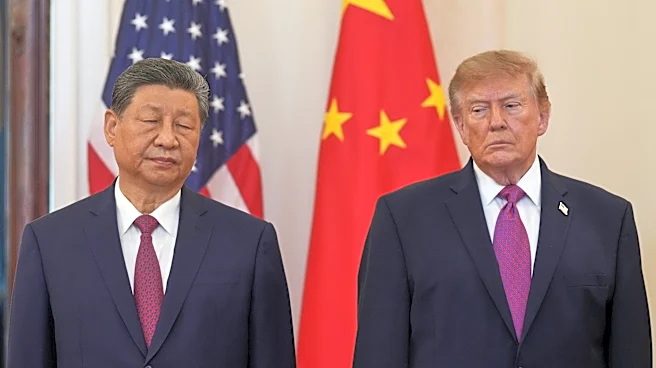
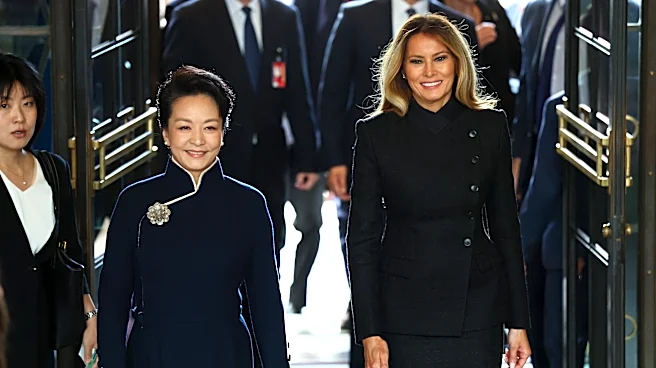
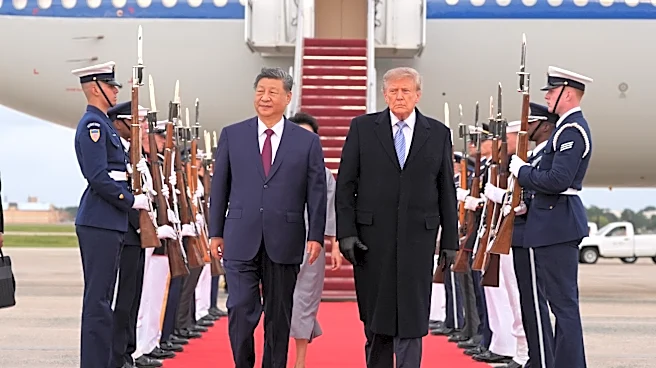
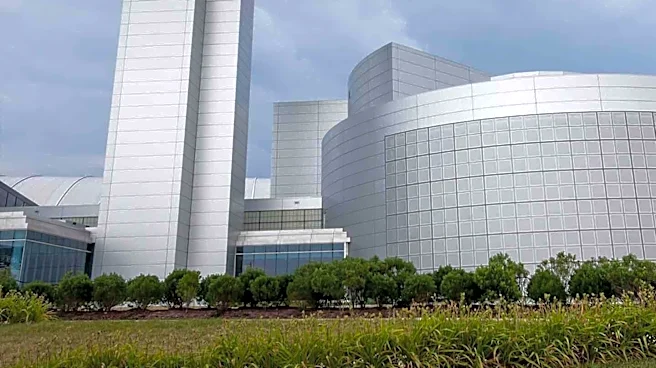
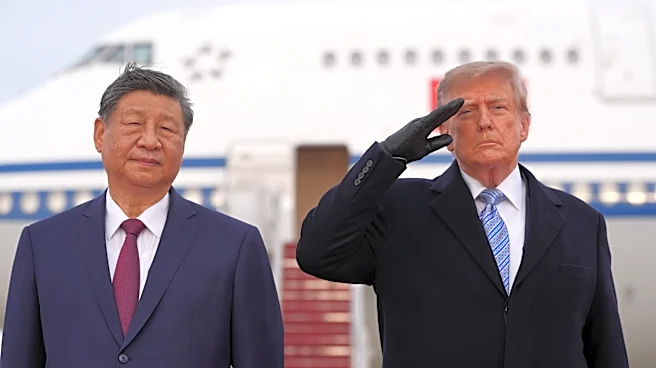
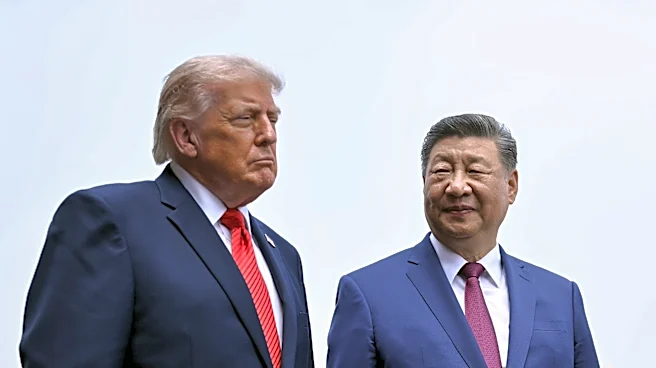
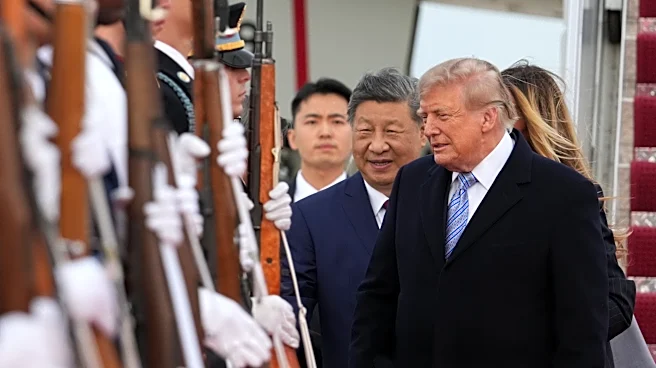
First Lady Melania Trump and Madame Peng Liyuan, wife of Chinese President Xi Jinping, visited the Smithsonian National Museum of Asian Art. This tour was part of President Xi Jinping and Madame Peng's official state visit to Washington, their first White
House visit in over a decade. During their visit, they were welcomed by museum leaders and viewed significant artworks. Among the highlights was the Peacock Room, a 19th-century creation by American artist James McNeill Whistler, known for its blue, green, and gold decor influenced by Chinese porcelain and Japanese design. This room has been a central piece of the museum's collection since 1923. They also observed an 18th-century Chinese porcelain vase from the Qianlong period, produced in Jingdezhen during the Qing dynasty, featuring floral designs with famille rose enamels, gold, and iron-red accents. The tour was guided by Jan Stuart, the museum’s curator of Chinese art, and Chase Robinson, director of the Freer Gallery of Art and Arthur M. Sackler Gallery. The visit concluded with a performance by the Hope Chinese School youth choir, which sang 'Jasmine Flower' and 'Songs & Smiles'.
Why It's Important?
This visit underscores the importance of cultural diplomacy in international relations, particularly between the United States and China. The tour of the Smithsonian National Museum of Asian Art, focusing on shared artistic heritage and cultural exchange, serves as a symbolic gesture to foster understanding and cooperation. By highlighting Sino-American artwork and cultural traditions, the event aims to bridge cultural gaps and promote mutual respect. The involvement of the Hope Chinese School youth choir also emphasizes the role of young people in carrying forward artistic traditions and potentially influencing future generations' perceptions of international relations. Such high-profile cultural exchanges can help soften political tensions and create a more conducive environment for dialogue on other, more complex issues between the two nations. It also showcases the rich Asian art collections housed within U.S. institutions, reinforcing America's role as a custodian of global cultural heritage.
What's Next?
While the immediate event was a cultural tour, the broader context is the ongoing diplomatic relationship between the United States and China. Such cultural exchanges often precede or accompany discussions on trade, security, and other bilateral issues. The White House indicated that the visit highlighted Sino-American artwork, cultural heritage, and the role of young people in carrying artistic traditions forward, suggesting a continued emphasis on cultural ties as a component of diplomatic strategy. Future interactions between the two nations may continue to incorporate cultural elements to build goodwill and facilitate communication. The success of this cultural exchange could encourage similar initiatives, potentially leading to more collaborations in the arts and education sectors between the U.S. and China, further strengthening people-to-people connections.
Beyond the Headlines
Beyond the immediate diplomatic optics, this event subtly reinforces the idea that cultural institutions like the Smithsonian play a crucial role in international relations, acting as neutral grounds for dialogue and understanding. The choice of the Smithsonian National Museum of Asian Art, with its focus on centuries of artistic achievement and cultural exchange, highlights the long-standing connections and influences between Asian and American cultures. The Peacock Room, an American artist's work influenced by Chinese and Japanese design, serves as a powerful metaphor for cultural synthesis and mutual inspiration. This visit also implicitly acknowledges the significant contributions of Asian cultures to the global artistic landscape and their integration into American cultural narratives. It suggests that cultural heritage can be a unifying force, transcending political differences and fostering a deeper appreciation for diverse traditions.