



What's Happening?
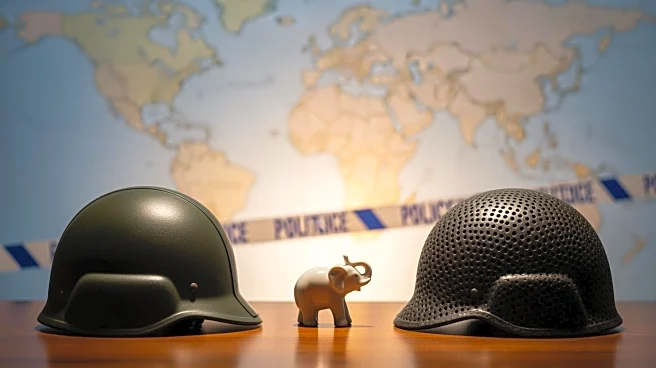
Thailand's increasing military ties with China are testing its longstanding security alliance with the United States. Historically a key U.S. ally in Southeast Asia, Thailand has been leaning towards China, especially after a 2014 military coup led to a cooling
of relations with the U.S. China has become a major arms supplier to Thailand, surpassing the U.S. in recent years. This shift raises concerns about the U.S.'s strategic influence in the region, particularly regarding access to Thai military bases, which are crucial for U.S. operations in Asia.
Why It's Important?
Thailand's pivot towards China could significantly impact U.S. military strategy in Southeast Asia. The U.S. relies on access to Thai bases for logistical support and regional operations, especially in the context of potential conflicts involving China. A weakened alliance could limit the U.S.'s ability to project power in the region and respond to strategic threats. This development also reflects broader geopolitical shifts as China expands its influence in Asia, challenging U.S. dominance and potentially altering regional security dynamics.
What's Next?
The U.S. may need to reassess its military and diplomatic strategies in Southeast Asia to counterbalance China's growing influence. This could involve strengthening ties with other regional allies, such as Singapore and the Philippines, and increasing military cooperation with countries that share concerns about China's rise. The U.S. might also explore new security arrangements or increase its presence in the region to maintain strategic stability.