


What's Happening?
The National Weather Service Climate Prediction Center (CPC) released its November, December, and January forecast, indicating warmer-than-normal temperatures for the entirety of the Pacific Northwest. This forecast, issued on October 15, comes amidst
a record-breaking El Niño event in the Pacific. The CPC stated that the highest odds for warmer conditions are predicted for the southeastern mainland, Southeast Alaska, the Pacific Northwest to the northern Plains, Great Lakes, and interior Northeast, consistent with typical observations during strong El Niño events. While the forecast suggests an above-average temperature for the three-month period, it does not preclude cold spells, but rather indicates a higher average. Precipitation levels are expected to be normal, but warmer temperatures may lead to less snow.
Why It's Important?
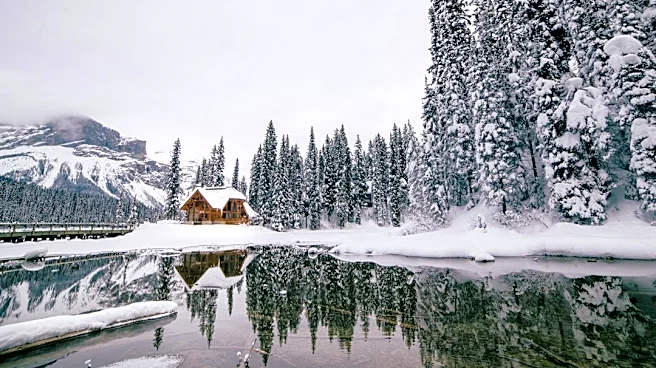
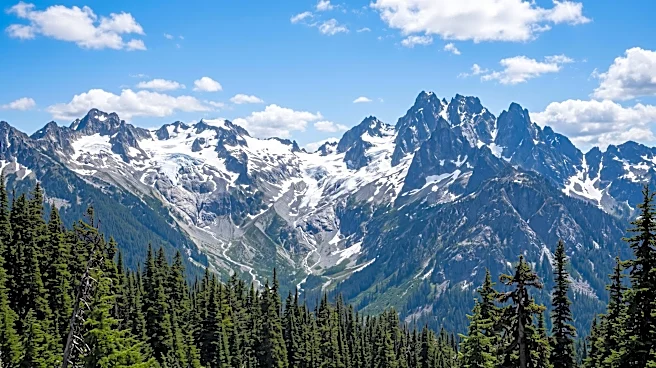
A warmer winter in the Pacific Northwest has several significant implications. For those who enjoy winter sports and rely on snowpack, such as ski resorts and related businesses, this forecast spells potential economic challenges due to decreased snowfall. More broadly, a reduced snowpack, often referred to as a 'snow drought,' can lead to increased risks of wildfires and create irrigation and water supply issues downstream, impacting agriculture and urban water resources. This is particularly concerning for regions still recovering from severe wildfire seasons. The forecast highlights the far-reaching effects of El Niño on U.S. weather patterns, influencing everything from energy consumption to ecological balance.
What's Next?
The forecast indicates that average temperatures from November to January will likely be above normal, with a 50% chance for areas like McMinnville to experience averages higher than their typical low 50s in November and upper 40s in December and January. While precipitation is expected to be normal, the warmer temperatures mean less of it will fall as snow, leading to a decreased snowpack in the mountains. Communities and industries in the Pacific Northwest should prepare for potential impacts such as reduced water availability and an elevated risk of wildfires in the subsequent seasons. The ongoing El Niño event is expected to continue influencing weather patterns.
Beyond the Headlines
The strong El Niño event and its projected impact on winter temperatures underscore the increasing variability and intensity of global climate phenomena. This situation prompts deeper discussions about climate resilience, water management strategies, and long-term environmental planning in the U.S. The shift in winter conditions can affect ecosystems, alter migration patterns of wildlife, and influence the prevalence of certain pests and diseases. Furthermore, the economic consequences extend to sectors like tourism, agriculture, and energy, necessitating adaptive measures and potentially accelerating the transition to more sustainable practices in response to changing climate realities.