







What's Happening?
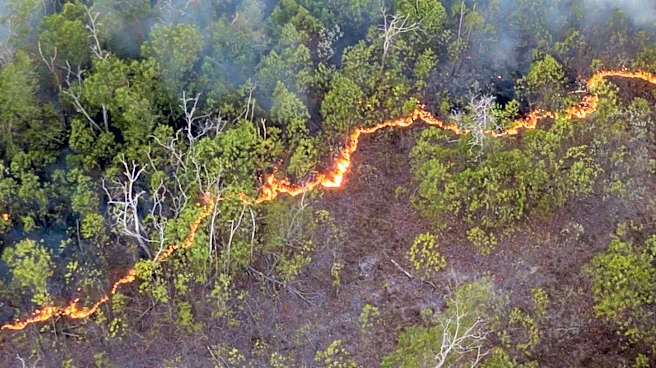
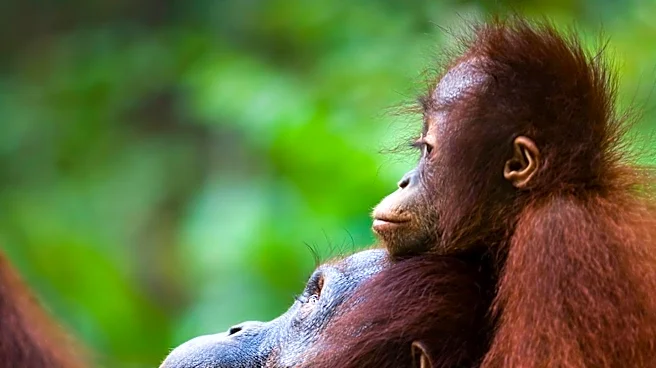
Eight orangutans, including three mother-and-baby pairs and two male teenagers, have been released into the Batu Nyambu Protected Forest in West Kalimantan, Indonesia. These orangutans were rescued in recent weeks from blazes that ravaged their habitats,
primarily plantations near forest areas, on Borneo island last month. The relocation was carried out by Indonesian authorities and the YIARI wildlife rehabilitation foundation. The Batu Nyambu Protected Forest is a 23,000-hectare reserve offering primary and secondary forest cover, chosen for its suitable food and water sources and connectivity to other forests. Between August and October 9, Indonesian authorities and YIARI collectively rescued 46 orangutans from fire threats. Orangutans are critically endangered, with only about 104,000 remaining in Borneo and Sumatra, a significant decline from over 230,000 a century ago. The fires, intensified by the El Nino weather phenomenon, have affected 52% of Borneo's orangutan population's habitats.
Why It's Important?
The rescue and relocation of these orangutans highlight the severe and ongoing threat that wildfires pose to critically endangered species in Indonesia, particularly in Borneo. The fires, exacerbated by the El Nino weather phenomenon and slash-and-burn land-clearing practices, are destroying vital habitats, pushing orangutans closer to extinction. This event underscores the urgent need for more effective conservation strategies and stricter enforcement against illegal land-clearing. The coordinated efforts between Indonesian authorities and wildlife rehabilitation foundations demonstrate a commitment to protecting biodiversity, but the scale of the problem requires broader systemic changes. The decline in orangutan populations has significant ecological implications, as these apes play a crucial role in seed dispersal and maintaining forest health. Their continued loss could lead to further degradation of the unique Bornean ecosystem, impacting countless other species and the global climate.
What's Next?
Conservation efforts will likely intensify to protect orangutan habitats and mitigate the impact of future wildfires. This may include increased monitoring of forest areas, stricter regulations on land-clearing practices, and enhanced fire prevention and response mechanisms. Wildlife rehabilitation organizations will continue their work in rescuing and relocating affected animals, while also focusing on long-term habitat restoration and community engagement to prevent human-wildlife conflict. International cooperation and funding will be crucial to support these initiatives, given the global significance of orangutan conservation. Research into the effects of climate change and El Nino on fire frequency and intensity will also be vital for developing adaptive management strategies. The long-term survival of orangutans will depend on a sustained, multi-faceted approach that addresses both immediate threats and underlying causes of habitat destruction.
Beyond the Headlines
The plight of the Bornean orangutans extends beyond immediate conservation concerns, touching upon complex issues of land use, economic development, and climate change. The prevalence of plantations near forest homes suggests a conflict between agricultural expansion and biodiversity preservation, a common challenge in many developing nations. The El Nino phenomenon, intensified by global climate change, highlights how broader environmental shifts can have devastating local impacts on ecosystems and species. The 'slash-and-burn' practices, often used for land clearing, point to socio-economic factors and regulatory failures that contribute to environmental degradation. This situation underscores the interconnectedness of environmental, social, and economic systems, where the survival of a species like the orangutan becomes a barometer for the health of an entire region and a symbol of the global environmental crisis. Addressing this issue requires not only direct conservation actions but also sustainable development policies that balance economic needs with ecological integrity.