




What's Happening?
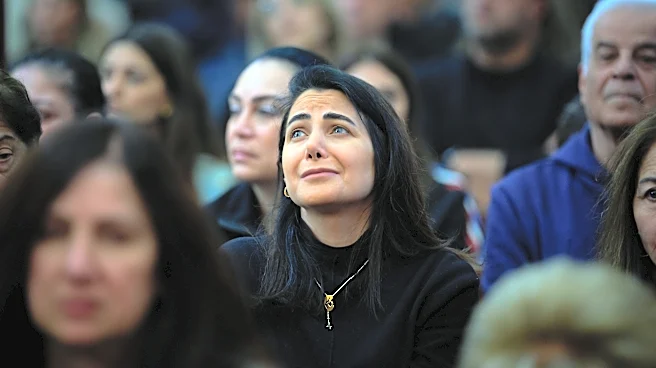
Easter celebrations in Jerusalem's Old City were notably subdued due to ongoing conflict. The usual festive atmosphere was absent, with streets and churches largely empty. Many Christians, including Syrian Orthodox and Greek Orthodox members, expressed
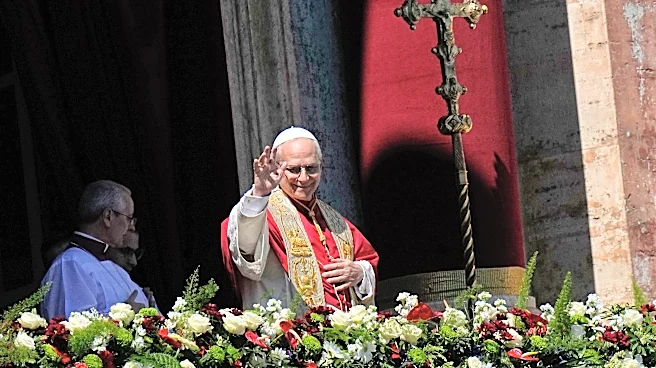
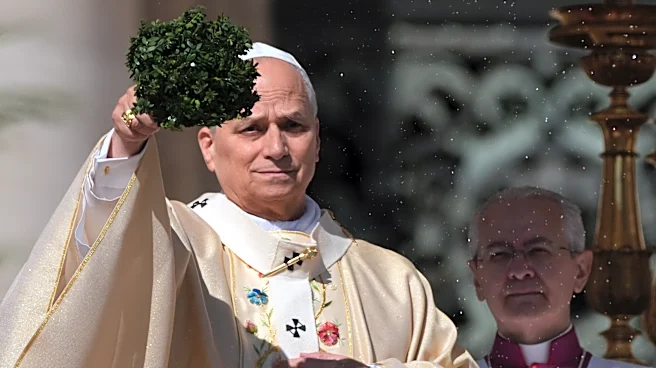
sadness over the lack of traditional activities such as singing and parading. The war with Iran, which began on February 28, has led to increased security measures, limiting access to religious sites. The Latin Patriarch was initially prevented from performing Palm Sunday mass, causing international concern, though the situation was later resolved.
Why It's Important?
The disruption of Easter celebrations highlights the broader impact of regional conflicts on religious practices and tourism in Jerusalem, a city significant to multiple faiths. The restrictions on access to holy sites affect not only local worshippers but also international visitors, potentially impacting the local economy reliant on tourism. The ongoing conflict underscores the fragile peace in the region and the challenges faced by religious communities in maintaining their traditions amidst security concerns.
What's Next?
The continuation of the conflict may lead to further restrictions on religious gatherings and tourism in Jerusalem. Local and international religious leaders may seek diplomatic solutions to ensure access to holy sites. The situation could prompt discussions on the need for peace and security in the region, potentially influencing future negotiations between involved parties.
Beyond the Headlines
The situation in Jerusalem reflects broader issues of religious freedom and the impact of geopolitical conflicts on cultural and religious practices. The inability to celebrate Easter traditionally may lead to increased calls for peace and reconciliation, emphasizing the need for dialogue and understanding among different faiths and communities.